What if the median price you've been tracking for West San Jose is quietly averaging two houses that were never built to compete with each other?
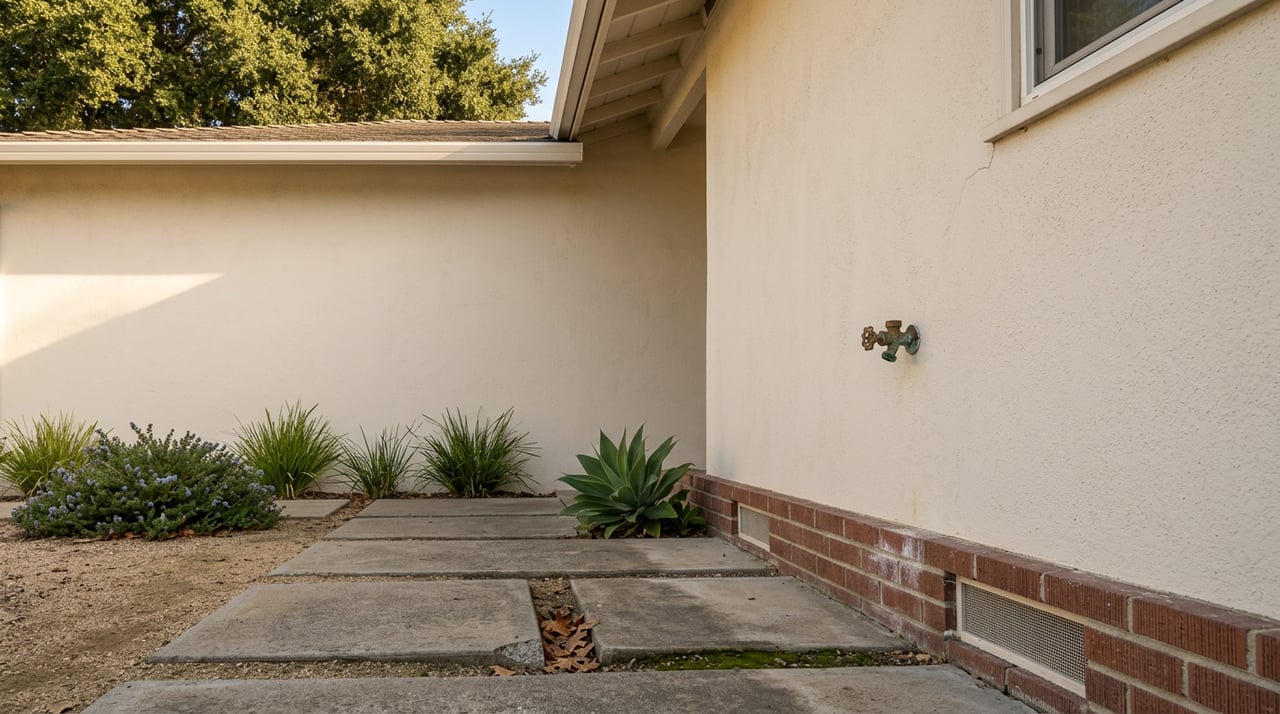
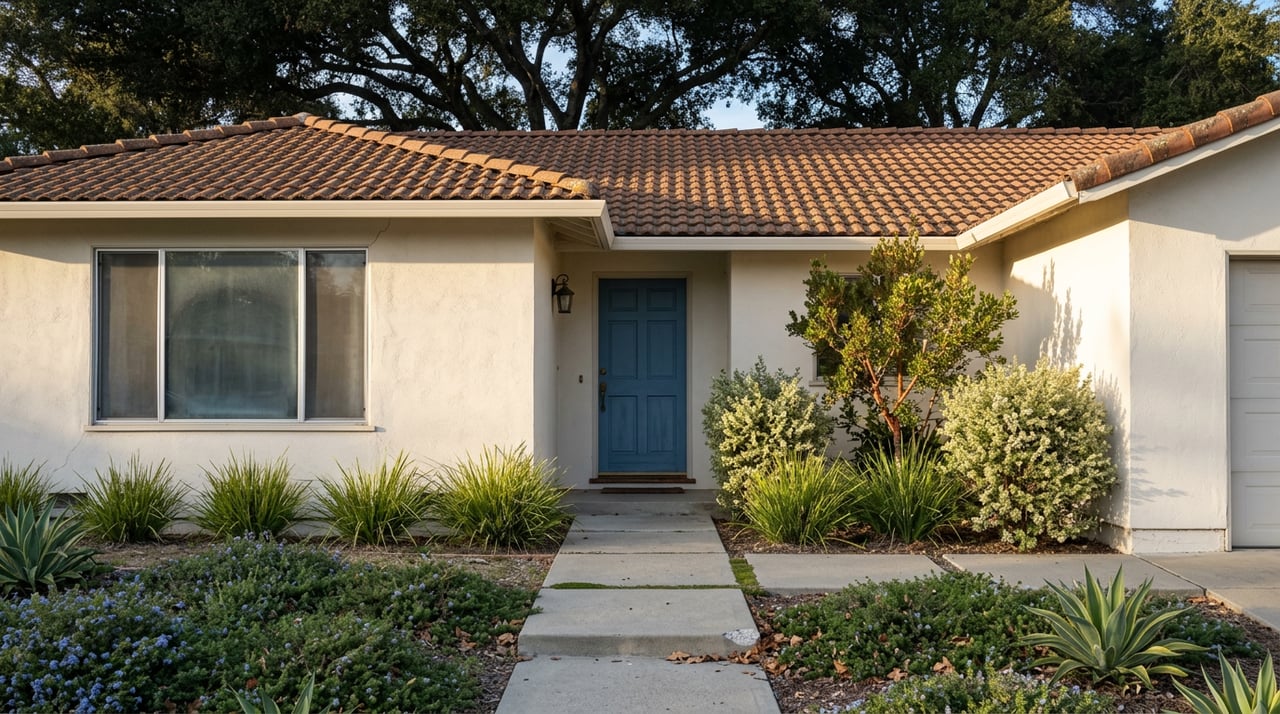
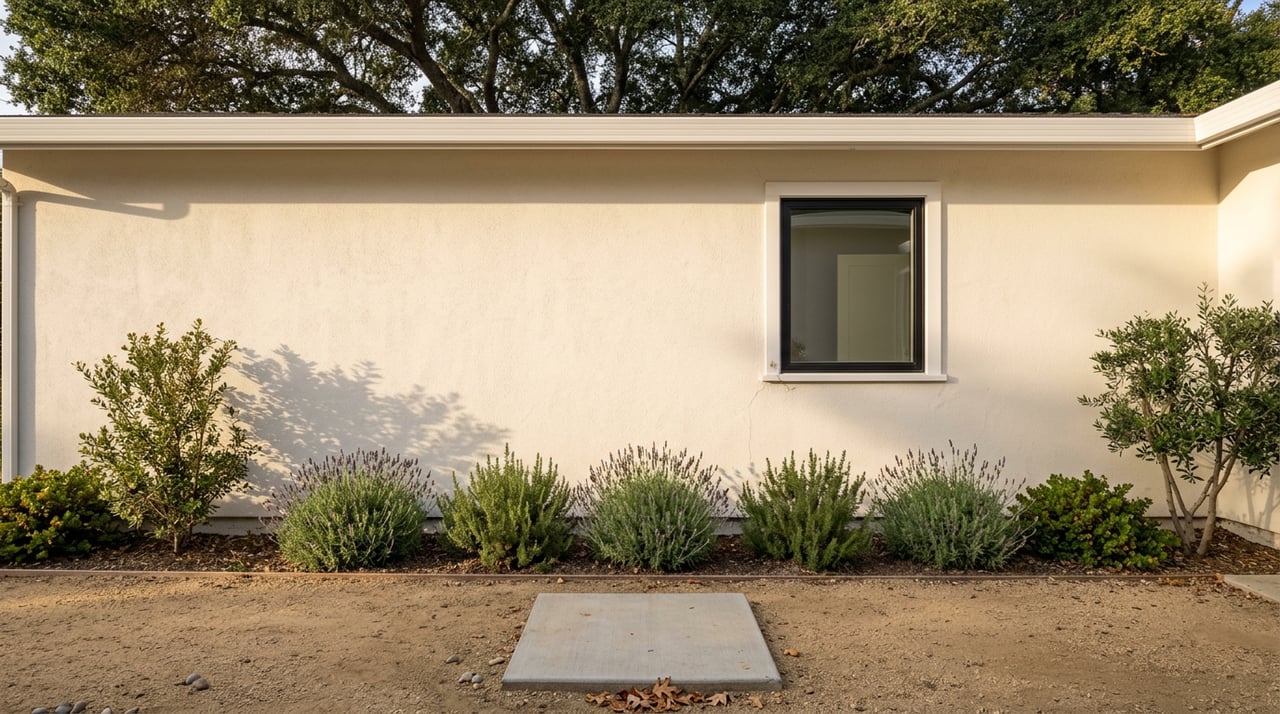
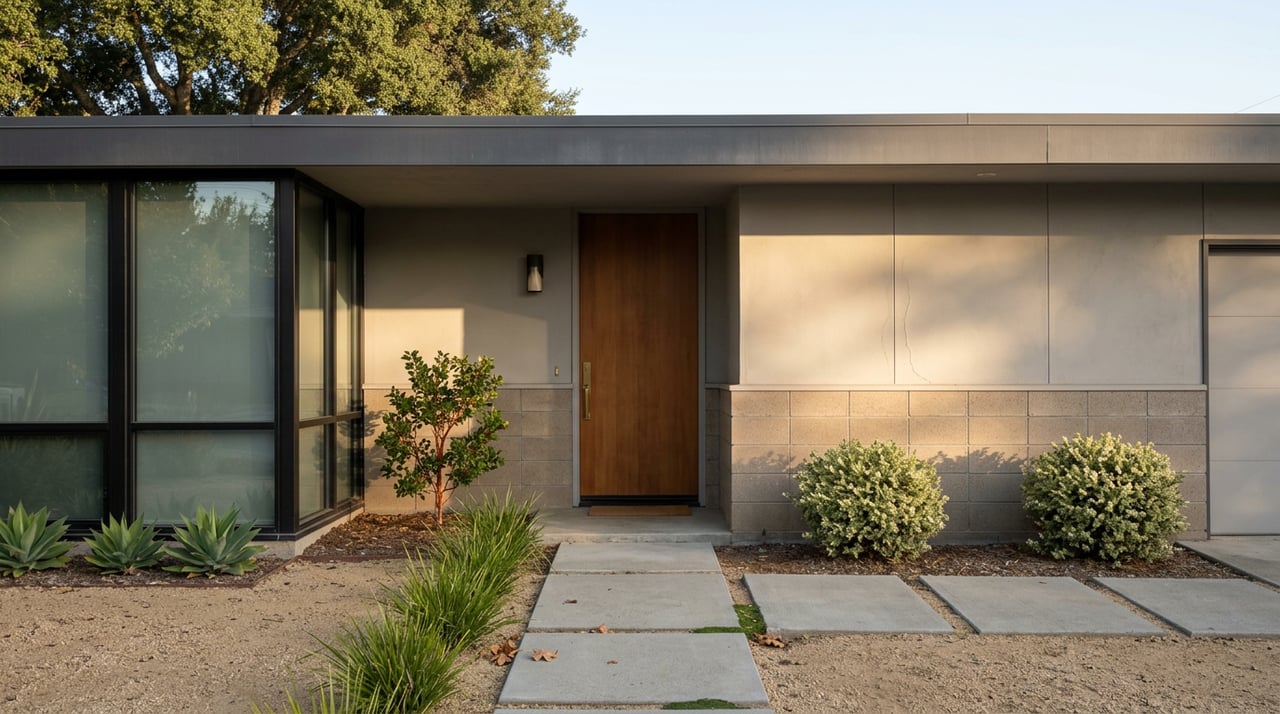
A buyer scanning listings across the 95117 and 95129 ZIP codes sees one number and assumes one market. But roll up on five 1958 ranch homes and one 1958 Eichler on the same street, and you're touring two different construction philosophies, two different inspection checklists, and two different ceilings on what you'll ever be able to add onto the lot. The median blends them into a single line. The transaction does not.
One ZIP Code, Two Build Eras
West San Jose runs across three ZIP codes: 95117, 95129, and 95130. The 95129 ZIP sits roughly between Stevens Creek Boulevard to the north, Winchester Boulevard to the east, Highway 85 to the south, and Saratoga Avenue to the west, a footprint that also holds the recognizable pockets locals call Westgate, Moreland, and Lynbrook.
Most of what sells here was built between 1950 and 1975. That single fact hides a split. The bulk of that inventory is conventional ranch and mid-century tract construction, but a smaller population of Eichler homes, the post-and-beam, glass-walled houses developer Joseph Eichler built across the South Bay, sits concentrated specifically inside 95117 and 95129. San Jose recognizes five historic Eichler neighborhoods citywide, and the best known of them, Fairglen, sits a few miles away in Willow Glen. West San Jose's Eichlers are a smaller, quieter population by comparison, and they don't announce themselves on a spreadsheet the way a listing price does.
Even the school assignments inside this same footprint don't track a clean geographic line. Cupertino Union covers much of 95129's western addresses, while Campbell Union High School District picks up territory to the south. Two districts, one commercial spine along Stevens Creek Boulevard, and a buyer who assumes "West San Jose" means one consistent product before they've even gotten to the Eichler question.
What Actually Sits Behind the Median
Here's the split laid out plainly:
| Conventional Ranch (1950s-70s) | Eichler | |
|---|---|---|
| Structure | Stud-frame, load-bearing walls throughout | Post-and-beam, most interior walls non-load-bearing |
| Roof | Pitched, composition shingle or tile | Flat or low-slope |
| Heat | Forced air, ductwork | Hydronic radiant, hot water pipes cast into the concrete slab |
| Windows | Mixed vintage, easy to replace | Floor-to-ceiling glass walls, original single-pane common |
| Additions | Straightforward, most walls movable | Structural engineer often required before touching a wall |
| Buyer pool | Broad | Narrower, design-driven, competes hard for originals |
That last row is the one a median price can't show you. A ranch home competes against every other ranch home on the market. An Eichler competes against a smaller, more specific pool of buyers who came looking for that architecture on purpose, and that changes both the timeline and the ceiling on what it sells for.
The Inspection Checklist Changes Completely
Walk into a ranch home inspection and you're checking the roof, the foundation, the electrical panel, the usual list. Walk into an Eichler and the list gets longer and more specialized:
- Radiant slab heating. Original copper pipe embedded in the concrete floor can develop slab leaks over decades, a repair that means either rerouting pipe overhead or breaking into the slab itself. A boiler and zone-valve check plus a leak-detection test before close is standard advice for a reason.
- Flat roof drainage. Low-slope roofs depend on clear drains. Debris buildup or a blocked drain leads to ponding water and eventual leaks, a maintenance pattern that a pitched composition roof simply doesn't share.
- Post-and-beam walls. Because the structure carries load through a post-and-beam system rather than through every interior wall, figuring out which walls can move and which can't requires a structural read before any renovation plan gets drawn up.
- Original wiring and single-pane glass. Circuits sized for a 1950s household often can't carry a modern kitchen and home office load, and the glass walls that define the look also mean higher heating and cooling bills than a comparably sized ranch.
Contractors who specialize in this housing stock describe the pattern the same way from the renovation side: flat roofs develop leaks from poor drainage or aging materials, single-pane windows underperform on insulation, and the original post-and-beam framing can show dry rot or termite damage if it's gone unaddressed for years. None of this makes an Eichler a bad purchase. It makes it a different purchase, one that needs its own line item in a buyer's due diligence budget rather than a generic home inspection checkbox.
The ADU Advantage That Doesn't Transfer Evenly
West San Jose's lots run larger than San Jose's central core, and that size matters more than it used to since SB-9 and AB-68 expanded ADU rights statewide. A larger parcel can more easily absorb a guest house, a casita, or a multigenerational suite than a tighter lot closer to downtown.
But that advantage doesn't land the same way on every parcel.
The lot size may say yes. The post-and-beam structure sometimes says not without an engineer.
A ranch home's stud-frame construction generally makes it more straightforward to reconfigure or expand. An Eichler's post-and-beam system, the same design that gives it those open floor plans and glass walls, can make wall removal or structural expansion a bigger question mark. A buyer chasing an ADU-friendly lot in 95117 or 95129 needs to know which structure they're standing in before they price out that plan, because the zoning math and the framing math aren't the same conversation. As with any project involving structural changes or ADU permitting, a licensed contractor and the city's building division are the right first call, not a general assumption based on lot size alone.
Why a Well-Preserved Eichler Won't Sit on the Market
San Jose as a whole has stayed a competitive market through 2026. Single-family homes were selling around 104.1 percent of asking price in May 2026, and San Jose's median sale price held near $1.5 million over the three months ending that same month. That's the baseline temperature for any West San Jose buyer right now.
Layer an Eichler on top of that baseline and the competition tightens further. Buyers who want this architecture tend to look for it specifically rather than stumbling into it, and agents who track this segment consistently note that well-preserved originals, especially the later atrium and double-gable models from Eichler's later architects, tend to hold their footing at resale better than earlier flat-roof designs from the same era. A ranch home in the same price band, updated or not, is competing in a much larger pool.
What This Means If You're Comparing Neighborhoods
If you're relocating for a new role, comparing school assignments, or simply trying to figure out what your budget actually buys across the South Bay, the West San Jose median is a starting point, not an answer. Before you anchor a decision to that number, it's worth asking two questions: which ZIP code and tract is this home actually in, and which of the two housing types am I comparing it against. A $1.8 million ranch and a $1.8 million Eichler two blocks apart are not interchangeable purchases, and treating them as the same line item is how buyers end up surprised at the inspection table or stuck mid-renovation waiting on a structural engineer they didn't budget for.
Frequently Asked Questions
Are all of San Jose's Eichler homes in West San Jose? No. San Jose's largest and most recognized Eichler concentration sits in Willow Glen, several miles from West San Jose's 95117 and 95129 ZIP codes. West San Jose's Eichler population is smaller and easy to overlook if you're only searching by neighborhood name rather than by ZIP code and street.
Does a well-preserved Eichler always sell for more than a similar-sized ranch nearby? Not automatically. The premium tends to follow originality, mechanical condition, and architect or model type rather than square footage alone. A ranch with recent, well-documented updates can still outprice a neglected Eichler with deferred radiant or roof issues.
What should I budget for beyond the sale price if I'm buying an Eichler in West San Jose? Plan for a radiant heating specialist to check the boiler and test for slab leaks, a roof assessment focused on drainage rather than just shingle age, and a conversation with a structural engineer before assuming any wall can move. These are typically separate line items from a standard home inspection.
Comparing West San Jose to another South Bay or Peninsula neighborhood, or trying to figure out whether the house in front of you is the ranch or the Eichler you actually budgeted for? Michal Amodai has spent years working these ZIP codes street by street and can walk you through what a specific price actually buys before you write an offer. Reach out for a conversation, or start with a free home valuation to see where your own West San Jose property lines up.