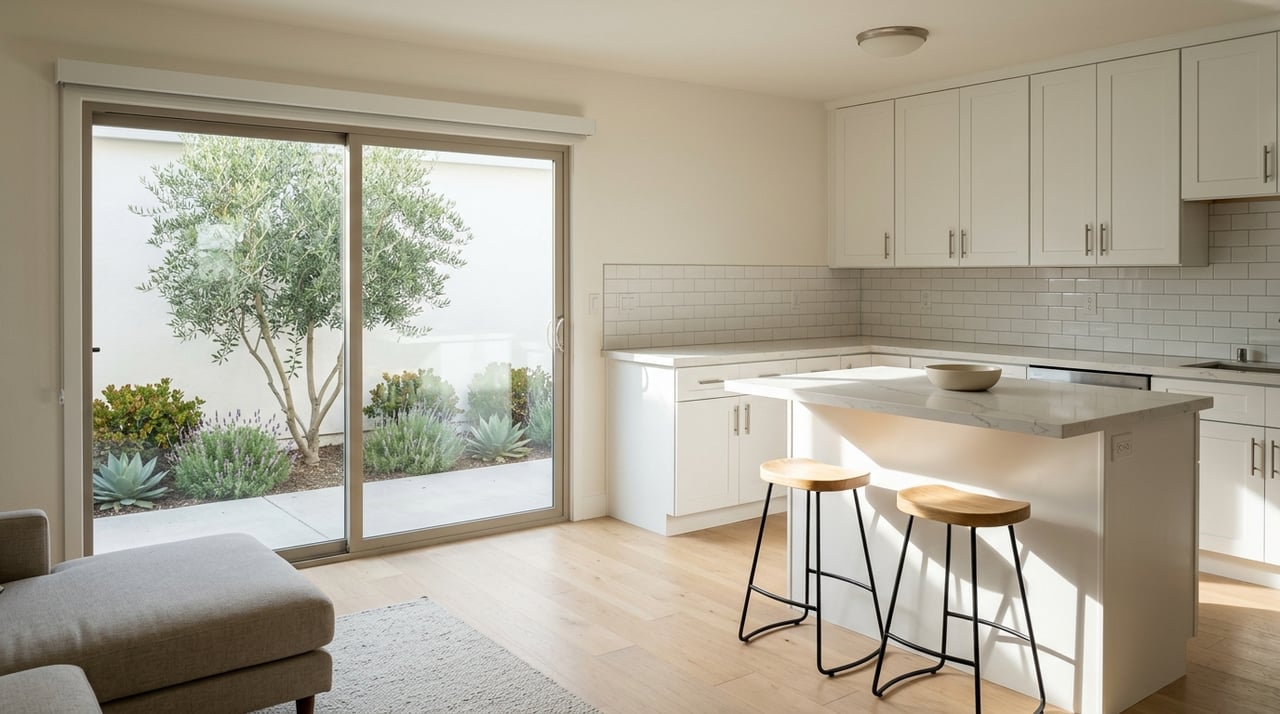
Relocating for a new job can feel exciting and overwhelming at the same time. If you are considering West San Jose as your landing spot, you are probably trying to balance home prices, rental options, commute time, and day-to-day convenience all at once. The good news is that West San Jose can work well for many South Bay professionals, especially when you plan around your actual work location and schedule. Let’s dive in.
Why West San Jose Appeals to Relocators
West San Jose sits in a practical position for many Silicon Valley work trips. City planning materials describe the area around Stevens Creek Boulevard, Winchester, Newhall, Bascom, Park, Meridian, Hamilton, San Tomas Expressway, and County Route G2, with ongoing efforts focused on walking, biking, transit, safety, and economic access.
That location matters because San Jose is a major center for technology and innovation. It also places you within reach of key job hubs such as Downtown San Jose, North San Jose, and the broader Cupertino, Santa Clara, and Sunnyvale corridor.
For many relocating professionals, West San Jose offers a useful middle ground. You can stay connected to major roads, access transit options, and keep several employment centers within reach while you learn which part of the South Bay fits your routine best.
Start With Your Work Corridor
Before you choose a home, identify where you actually need to be on workdays. A West San Jose address may look convenient on a map, but your real experience depends on whether you commute to Downtown San Jose, North San Jose, Cupertino, Santa Clara, Sunnyvale, or even farther up the Peninsula.
This is especially important in a region where commute patterns vary a lot by mode of travel. In 2020 to 2024, San Jose’s mean travel time to work was 27.3 minutes, compared with 26.2 minutes in Santa Clara County and 30 minutes across the Bay Area in 2024.
If your office is nearby, West San Jose can be a smart base. If your office sits farther from the 280, 85, or Diridon network, the commute may become more complicated than it first appears.
Understand Your Commute Options
Most Bay Area commuters still drive. In 2024, 69% drove to work on a typical workday, 8% used public transit, and 17% worked from home.
That tells you something important right away. If you expect to commute several days a week, parking, freeway access, and departure timing may shape your housing decision as much as the property itself.
Driving From West San Jose
Driving remains the default option for many workers in this part of the South Bay. In 2024, people who drove alone had an average commute time of 29 minutes, while transit commutes averaged 50 minutes.
That does not mean transit is off the table. It simply means you should compare realistic travel times before committing to a lease or purchase.
If you will drive, think beyond distance alone. Ask yourself:
- What time do you actually need to leave home?
- How many in-office days do you have each week?
- Is parking available at your workplace?
- Do you need quick access to 280, 85, or major local corridors?
- Will your schedule change after onboarding?
Transit From West San Jose
Transit can still be useful, especially if your office is near a strong connection point. VTA serves Santa Clara County and provides several routes relevant to West San Jose commuters, including:
- Route 23 along Stevens Creek
- Route 57 to West Valley College
- Route 61 to Good Samaritan Hospital
- Route 60 to Winchester Station and San Jose Mineta International Airport
- Express 101 to Stanford Research Park
For Peninsula or San Francisco commutes, San Jose Diridon Station is a major asset. Diridon connects to Caltrain, VTA light rail and buses, ACE, Capitol Corridor, and Coast Starlight, which makes it an important rail anchor for workers whose jobs are not centered only on freeway travel.
Best Job Hubs for West San Jose Living
West San Jose often makes the most sense when your work is in one of several nearby employment areas. City and company information point to Downtown San Jose and North San Jose as major job centers, while official company locations place Apple in Cupertino and both NVIDIA and Intel in Santa Clara.
If your office is in Cupertino, Santa Clara, Sunnyvale, or Downtown San Jose, West San Jose may offer a strong balance between commute access and housing flexibility. For some professionals, it can also support a Peninsula commute when paired with Diridon and regional rail connections.
When West San Jose Is a Better Fit
West San Jose may be a strong option if:
- Your office is in Cupertino, Santa Clara, Sunnyvale, Downtown San Jose, or North San Jose
- You want access to both driving and transit options
- You are relocating quickly and need flexibility before making a long-term move
- Your work schedule is hybrid and not fully in person every day
When You Should Be More Cautious
You may want to pause before committing if:
- Your office is far from major freeway or rail connections
- You expect a long transit commute several days a week
- You have not yet tested the route during your real departure time
- You are choosing housing based only on map distance
Rent First or Buy Right Away?
For many people relocating to West San Jose for work, renting first is the safer and simpler move. It gives you time to learn your commute, understand your daily rhythm, and confirm whether the area matches your long-term needs.
That approach makes sense in a market with significant housing costs. Census data for 2020 to 2024 shows a median owner-occupied home value of $1.233 million in San Jose and a median gross rent of $2,669. In Santa Clara County, those figures were even higher at $1.491 million and $2,857.
Why Short-Term Housing Can Help
A short-term or flexible rental can serve as a bridge when your job start date is fixed but your ideal location is still uncertain. This is often the most practical path for professionals who are new to the Bay Area or who need to make a move on a tight timeline.
California Courts notes that many month-to-month tenancies can be ended with 30 days’ notice when the tenant has rented for less than a year and 60 days’ notice when the tenancy is a year or longer. Many landlords are also subject to just-cause rules under the Tenant Protection Act.
Just remember that flexibility does not always mean low move-in cost. California generally caps security deposits at one month’s rent in residential tenancies, with exceptions, so your upfront budget may still be significant.
When Buying Makes More Sense
Buying usually becomes easier to evaluate once your work location and routine feel stable. If you know your office pattern, commute days, and preferred area, you can make a more confident long-term decision.
This matters even more now that hybrid work has changed how people think about distance. Bay Area work-from-home share was 17% in 2024, down from 33% in 2021, so some flexibility remains, but fully in-person schedules still tend to reward living close to the right freeway or rail node.
A Smart West San Jose Relocation Plan
If you want to reduce stress and avoid a rushed decision, keep your relocation process simple and structured. In most cases, the best sequence is to work from commute reality back to housing choice, not the other way around.
Here is a practical approach:
- Identify your primary work location.
- Confirm how many days each week you will commute.
- Test the trip at the actual time you expect to leave.
- Compare driving and transit options.
- Decide whether a short-term rental gives you better flexibility.
- Reassess after a few weeks or months of real-life experience.
This step-by-step approach fits how West San Jose functions today. The area has useful transportation connections and city investment in multimodal improvements, but your best decision still depends on how your personal schedule lines up with those systems.
What Families and Households Should Weigh
If you are moving with a partner, children, or other household members, the decision usually becomes more layered. The trade-off is not just price. It is also about timing, coordination, parking needs, commute patterns, and how much flexibility you want while settling in.
For example, one household may need fast access to Downtown San Jose while another needs a smoother route to Cupertino or Santa Clara. Some buyers and renters also want time to understand neighborhood feel and daily logistics before making a long-term commitment.
That is where experienced relocation guidance can make a real difference. A thoughtful plan can help you narrow your search based on routine, risk, and long-term fit instead of reacting to listings alone.
How Local Guidance Helps
When you are relocating, it is easy to focus only on square footage, price, and online photos. In practice, the bigger question is how the home supports your work life and daily routine once the move is done.
That is why many buyers benefit from working with an advisor who understands Bay Area relocation patterns, local housing trade-offs, and the timing issues that come with a job-related move. A clear strategy can help you avoid paying too much for convenience you do not need, or choosing a location that looks efficient but creates daily friction.
Michal Amodai brings that kind of practical guidance to relocating professionals and families across the South Bay and Peninsula. With relocation experience, hands-on buyer representation, and a background as a real estate attorney, she helps clients make informed housing decisions with more clarity and less stress.
If you are planning a move to West San Jose for work, Michal Amodai can help you compare commute trade-offs, evaluate rental versus purchase timing, and find a home that fits your next chapter.
FAQs
Is West San Jose a good place to live if you work in Cupertino or Santa Clara?
- Yes. West San Jose can be a practical base for jobs in Cupertino and Santa Clara because of its location near major work corridors and its access to both driving routes and transit connections.
Should you rent before buying when relocating to West San Jose?
- Renting first is often a smart choice if you have not yet tested your commute or confirmed which area best fits your routine, especially given San Jose housing costs.
What transit options are available from West San Jose?
- West San Jose commuters can use VTA bus service, including Route 23, Route 57, Route 61, Route 60, and Express 101, and can also connect through San Jose Diridon Station for broader regional rail access.
How long is the average commute in San Jose?
- Census data for 2020 to 2024 shows San Jose’s mean travel time to work was 27.3 minutes, though actual times vary widely based on destination, schedule, and travel mode.
Is driving usually faster than transit from West San Jose?
- Often yes. Bay Area data for 2024 showed average commute times of 29 minutes for people who drove alone and 50 minutes for people using public transit.
What should you check before choosing housing in West San Jose?
- You should confirm your office location, in-person work schedule, parking situation, and realistic commute options before deciding whether to rent or buy in West San Jose.