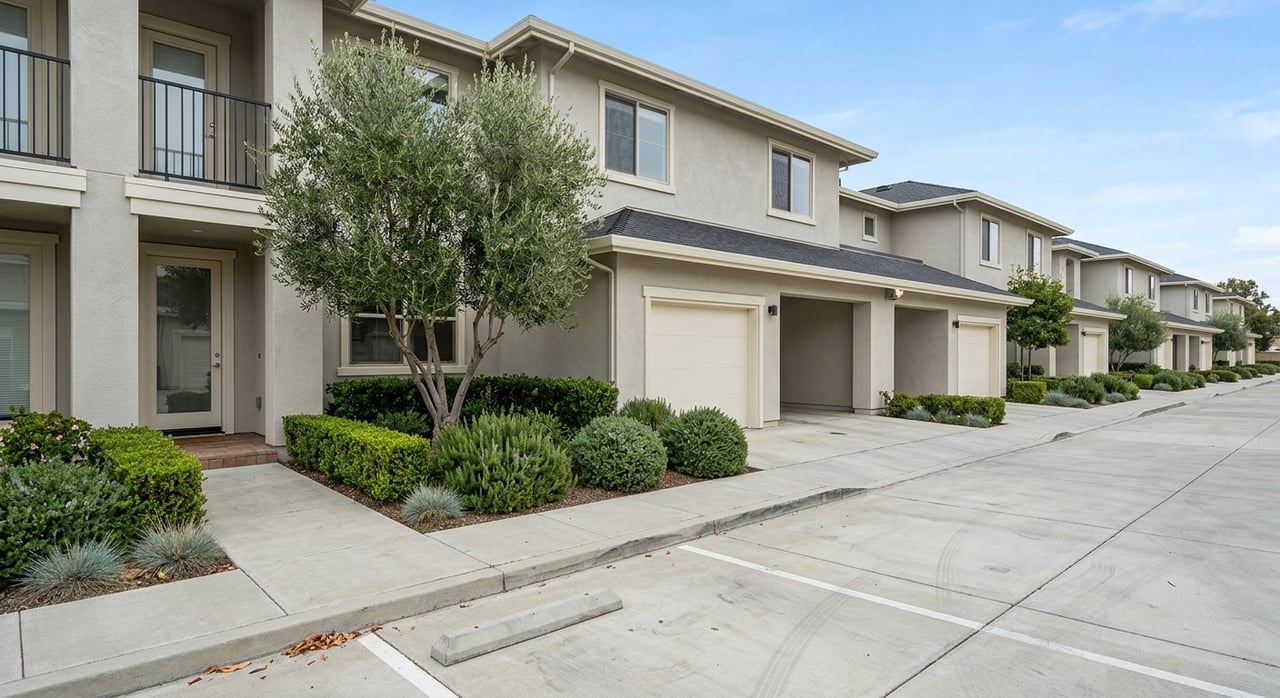
If you want a more affordable way into West San Jose, a condo or townhome may be the option that gets you there. In this part of the South Bay, attached homes often offer a much lower entry price than detached houses, but the trade-offs are real. If you understand how ownership, HOA rules, parking, and monthly costs work before you buy, you can make a smarter decision with fewer surprises. Let’s dive in.
Why attached homes matter in West San Jose
For many buyers, condos and townhomes are the practical path into a high-cost market. Current West Valley listing data shows condos around a $725,000 median listing price and townhomes around a $1.4 million median listing price, while the broader West Valley market has a roughly $2.18 million median sale price.
That gap matters if you are comparing monthly affordability and long-term fit. The City of San José has also described West San Jose single-family averages around $2 million to $2.5 million in its housing element analysis, which helps explain why many value-conscious buyers start with attached homes.
Condo vs. townhome ownership
A lot of buyers assume a condo is always apartment-style living and a townhome always means you own the land beneath you. In California, that is not necessarily true.
The California Department of Real Estate explains that condo and townhome labels are about legal ownership structure, not just how the building looks. A townhouse can be part of a planned development or another common interest development, so the only safe move is to verify exactly what you own and what the HOA controls.
What to confirm before you offer
Before you write an offer, make sure you understand:
- Your ownership rights on title
- What counts as common area versus separate interest
- Whether parking is deeded, assigned, or shared
- Whether there is exclusive-use space like a patio, balcony, or garage
- What the HOA can regulate through the CC&Rs
This step is especially important in West San Jose, where attached homes can vary a lot from one community to the next.
HOA documents deserve close attention
When you buy into a condo or townhome community, HOA membership is automatic. That means you are not just buying a home. You are also agreeing to a set of rules, dues, and shared financial obligations.
California Civil Code requires sellers to provide key disclosures for a separate interest. These include governing documents, the latest budget and reserve disclosures, current assessments and unpaid charges, unresolved violation notices, notice of approved but not-yet-due assessment changes, rental restrictions if any, and, if requested, the last 12 months of approved board minutes and the most recent inspection report.
The most important HOA records
If you want a clear picture of the community, focus on these documents first:
- CC&Rs
- Bylaws
- Current HOA budget
- Reserve summary and funding plan
- Insurance summary
- Board minutes
- Assessment disclosures
- Violation disclosures
- Rental restriction disclosures
These records can tell you a lot about how the community is run and whether there may be future costs on the horizon.
How to read HOA financial health
A lower purchase price can lose its appeal quickly if the association is underfunded. That is why reserve strength and budget stability should be central to your due diligence.
Under California law, annual budget reports must include reserve summaries, reserve funding plans, loan information, and insurance summaries. Reserve studies also require a visual inspection at least once every three years, annual review, and estimates for future major repairs and funding needs.
Signs to review carefully
You do not need to be an accountant to spot potential issues. Look closely at:
- Whether reserves appear strong enough for future repairs
- Whether there are loans or recent borrowing
- Whether board minutes mention frequent emergency repairs
- Whether maintenance appears delayed or deferred
- Whether approved assessment increases are already in the pipeline
Associations must levy regular and special assessments sufficient to meet their obligations. That means special assessments can happen for major repairs or unexpected expenses, so it is worth knowing the risk before you commit.
What HOA dues may cover
One community may include more in the monthly dues than another, even when homes are priced similarly. In West San Jose-area attached-home listings, some HOA fees cover items like water, garbage, exterior maintenance, landscaping, and reserves, while others may offer fewer included services.
That is why you should look at the full cost of ownership, not just the sales price. A home with higher dues may still deliver better value if it covers meaningful ongoing expenses or amenities you will actually use.
Common items included in dues
Depending on the community, dues may help pay for:
- Water
- Garbage
- Exterior maintenance
- Landscaping
- Reserve funding
- Pool or spa access
- Gym access
- Clubhouse or courtyard upkeep
The exact package varies, so confirm what is included rather than assuming all West San Jose communities work the same way.
Parking can shape daily life
Parking is one of the most overlooked parts of buying an attached home. It can also be one of the most frustrating issues after closing if you did not verify the details in advance.
Current West Valley attached-home listings show a wide range of parking setups, from one assigned underground space with guest parking to townhomes with two garage spots. If you have multiple drivers, frequent guests, or need storage in the garage, these details matter more than many buyers expect.
Questions to ask about parking
Before you move forward, find out:
- How many spaces come with the home
- Whether spaces are deeded, assigned, or first-come first-served
- Whether guest parking is limited
- Whether the HOA restricts garage use
- Whether overnight street parking is allowed
- Whether the surrounding area has permit rules
San Jose also enforces city parking rules that can affect your day-to-day experience. Vehicles may not remain parked on the street for more than 72 hours without movement, and city rules also prohibit sidewalk parking and parking within 15 feet of a fire hydrant.
Maintenance is shared, but not always simple
One big appeal of condos and townhomes is reduced exterior upkeep. Compared with a detached house, that can make ownership feel simpler and more manageable.
Still, shared maintenance does not mean zero responsibility. Under California law, the association generally maintains and repairs common area, while the owner is responsible for the separate interest. For exclusive-use common area, the owner is generally responsible for maintenance, while the association handles repair and replacement.
Why this matters before closing
This split affects how you budget and what problems you may need to handle yourself. It can apply to items tied to balconies, patios, garages, and other spaces that feel private but are still governed by HOA rules.
If utility service fails and the source begins in common area, the association must begin the repair process quickly. Even so, you will want to understand where the lines are drawn so you know what ownership will actually feel like.
Insurance is not one-size-fits-all
Many buyers assume the HOA master policy covers everything that matters. It does not.
California budget disclosure rules warn that association coverage may not protect your personal property or interior improvements. The deductible can also affect you, which means you still need to understand your own insurance needs even in a well-managed community.
Budget for the full monthly cost
If you are buying in West San Jose because the entry price looks more manageable than a detached home, be careful not to stop your math at the mortgage payment. The full cost picture matters.
Your monthly and ownership costs may include:
- Mortgage payment
- HOA dues
- Homeowner’s insurance
- Property taxes
- Possible special assessments
- Utilities not included in dues
In Santa Clara County, supplemental tax bills are typically issued after a change in ownership or new construction. They are usually not prorated in escrow or paid through a lender impound account, so that is another item worth planning for early.
How to compare condos and townhomes
If you are deciding between a condo and a townhome in West San Jose, the right choice usually comes down to your priorities. Some buyers care most about the lowest entry price. Others want more parking, more separation from neighbors, or a layout that feels closer to a detached home.
A simple way to compare options is to look at four categories side by side: ownership structure, monthly dues, parking, and maintenance responsibilities. That approach helps you compare the real lifestyle fit, not just the list price.
A smart comparison checklist
As you narrow your options, compare each property based on:
- Purchase price
- HOA dues
- Amenities included
- Reserve strength
- Special assessment risk
- Parking setup
- Rental restrictions
- Interior and exterior maintenance responsibilities
- Rules affecting pets, remodeling, or common spaces
In West San Jose, attached homes can offer meaningful value compared with detached housing. The key is making sure the lower entry point matches your comfort level with shared governance and shared-wall living.
Buy with clarity, not assumptions
The best condo and townhome purchases usually happen when buyers slow down and verify the details that are easy to miss. Ownership rights, HOA finances, parking, insurance, and true monthly cost all deserve close review before you commit.
That is especially true in a market like West San Jose, where attached homes can open the door to ownership but each community operates a little differently. If you want a calmer, more informed buying process, working with an advisor who can help you spot risk and compare trade-offs can make a real difference.
If you are thinking about buying a condo or townhome in West San Jose, Michal Amodai can help you evaluate communities, review the details that matter, and move forward with confidence.
FAQs
What is the difference between a condo and a townhome in West San Jose?
- In California, the difference is based on legal ownership structure, not just building style, so you should confirm title, common-area responsibility, and HOA authority for any home you are considering.
What HOA documents should buyers review for a West San Jose condo or townhome?
- Focus on the CC&Rs, bylaws, HOA budget, reserve disclosures, insurance summary, board minutes, assessment disclosures, violation notices, and any rental restriction disclosures.
What do HOA dues usually cover in West San Jose attached-home communities?
- Coverage varies by community, but dues may include items like water, garbage, exterior maintenance, landscaping, reserves, and amenities such as a pool, spa, gym, or clubhouse.
How can you tell if a West San Jose HOA is financially healthy?
- Review reserve strength, reserve study updates, insurance summaries, loan information, and board minutes for signs of deferred maintenance, frequent emergencies, or upcoming assessment increases.
Is parking a common issue when buying a condo or townhome in West San Jose?
- Yes, parking can be a major quality-of-life issue, so confirm how many spaces come with the home, whether they are deeded or assigned, what guest parking exists, and whether city or HOA rules limit street parking.
Should West San Jose condo and townhome buyers budget for supplemental property taxes?
- Yes, in Santa Clara County supplemental tax bills are typically issued after a change in ownership or new construction, and they are usually not prorated in escrow or paid through a lender impound account.
Can you rent out a condo or townhome later in West San Jose?
- Maybe, but rental restrictions vary by community and must be disclosed, so you should review the HOA documents carefully before buying if future rental flexibility matters to you.