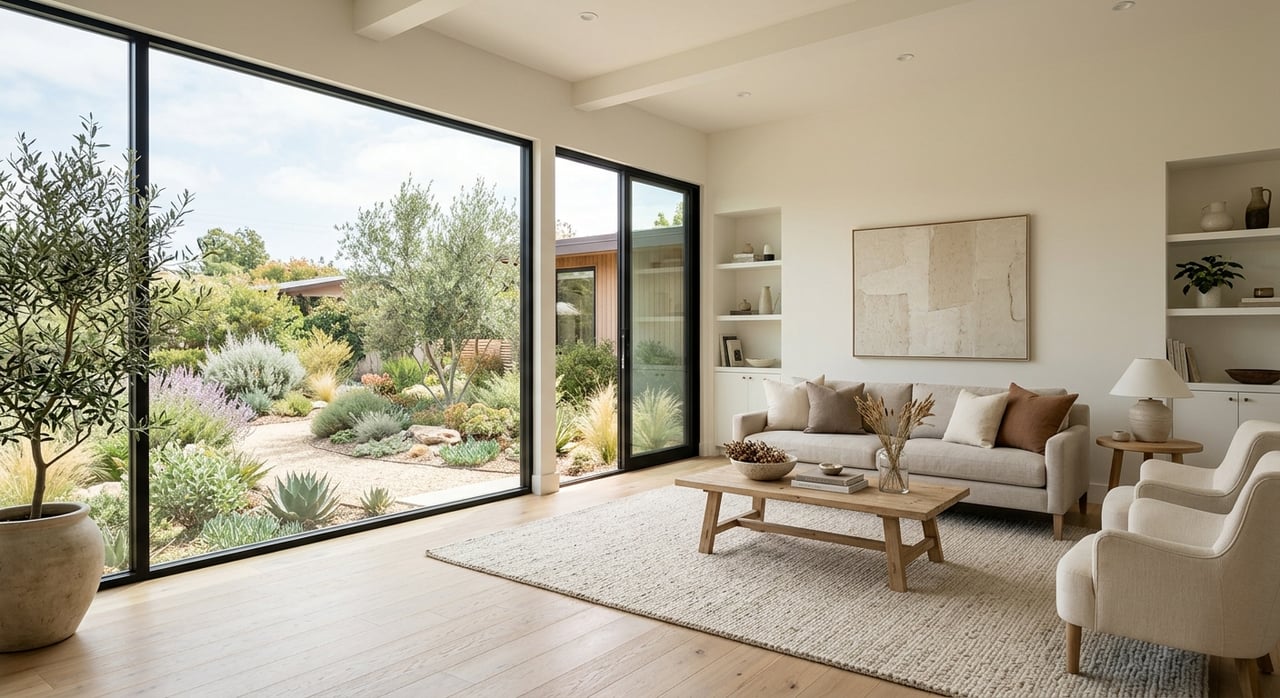
Thinking about buying a home in Palo Alto and want guidance that speaks your language? You are not alone. Many Hebrew-speaking families and professionals relocate to the Peninsula each year and face the same fast market, detailed contracts, and new terms. In this guide, you will learn the real costs, the step-by-step timeline, what to expect in offers and contingencies, and a quick Hebrew glossary so you can move forward with confidence. Let’s dive in.
Palo Alto market at a glance
Palo Alto is a high-price, competitive market. As of early 2026, the median sale price for single-family homes is roughly 3.0 to 3.2 million dollars. Homes often receive multiple offers and sell in about two weeks or less. This is why strong preparation, clean offer terms, and fast timelines matter.
In practical terms, you should be ready to verify funds, connect with a local lender, and move quickly on inspections and contingencies once your offer is accepted. Clear calendar management and good communication with your agent and lender will help you compete without unnecessary risk.
What homes really cost to close
Transfer and property taxes
- City documentary transfer tax. Palo Alto’s current documentary transfer tax is 3.30 dollars per 1,000 dollars of the sale price. This appears as a closing line item and is commonly paid by the seller in many local deals, but it is negotiable, so always confirm in your contract. You can see the city’s published figure in the City of Palo Alto budget materials. Review the City’s transfer tax reference.
- Property taxes. California’s base property tax is about 1 percent of the assessed value, and effective bills in Santa Clara County often run slightly higher once local assessments are added. For exact rates and parcel details, consult county resources. Visit the Santa Clara County Assessor to learn how assessments work and where to verify a property’s details.
At closing, taxes are prorated between buyer and seller. Your escrow officer will show these credits and charges on your settlement statement.
Loans in high-cost areas
Because Palo Alto prices exceed many loan thresholds, it is important to understand conforming versus jumbo financing. For 2026, the high-cost area one-unit conforming ceiling is near 1,249,125 dollars. Many Palo Alto loans will be jumbo above that amount, which often means different underwriting standards, potentially larger down payments, and longer approval timelines. Check the 2026 conforming limit reference and speak with a lender that works regularly in Silicon Valley.
Typical buyer closing costs
Budget 2 to 5 percent of the purchase price for buyer-side closing costs, depending on your loan. Buyers commonly pay for lender fees, the lender’s title policy, appraisal and inspections, escrow fees (buyer’s portion), recording fees, and prepaid reserves for taxes and insurance. Sellers often pay real estate commissions, the city transfer tax, and sometimes the owner’s title policy. All items are negotiable by contract, so ask your lender and title company for itemized fee quotes early.
Step-by-step timeline: 0 to closing
Below is a common financed-escrow flow in California. Local practice varies by deal, but this gives you a clear calendar to follow. For more on escrow timing across California, see this plain-English overview of the process. Read the escrow timeline overview.
- Before house-hunting: Get pre-approval or proof of funds, confirm with your lender whether your loan will be conforming or jumbo, and set a target budget and timeline.
- Day 0: Offer accepted. Escrow is opened.
- Day 1 to 3: Initial earnest-money deposit is due to escrow per your contract. The seller begins delivering disclosures.
- Days 7 to 10: Typical shortened inspection window in competitive deals. Default forms often show 17 days, but in Palo Alto the window is often negotiated shorter.
- Days 17 to 21: Common loan and appraisal approval window in standard forms. Your lender orders the appraisal and completes underwriting.
- Through Day 30 to 45: Typical closing window for financed purchases in the Bay Area. Cash deals can close faster if title is clear and inspections are complete.
- Closing day: You sign loan and closing documents, funds are delivered to escrow, the deed records with the county, and you receive keys after recording. Escrow disburses funds shortly after recording.
Tip: Put all contingency deadlines and deposit dates on a shared calendar. Build in reminders a few days before each deadline in case you need to negotiate an extension.
Offers and contingencies: what to expect
In a fast market, competitive tactics are common. Each one trades protection for speed, so choose carefully with your agent and lender.
- Larger deposit: Signals strength but increases risk if you remove contingencies early.
- Shorter inspection and loan timelines: Improves your chance in multiple offers but leaves less time to discover issues.
- Pre-underwriting or all-cash: Reduces financing uncertainty for the seller. Cash or near-cash timelines are often faster.
- “As-is” purchases: You still have the right to inspect, but the seller is not obligated to make repairs. You can request credits, but do not rely on them.
- Escalation clauses: Can help you compete without offering your top price at the start. Structure them with clear caps.
For common contingency windows and contract mechanics in California residential deals, review this plain-language explainer. See key contract requirements and contingencies.
Key terms in English and Hebrew
Use these quick phrases during your offer and escrow. Each includes Hebrew script, a simple transliteration, and a short parenthetical in Hebrew.
- Purchase price — מחיר (Mechir) — (הסכום המוסכם לתשלום בעסקה)
- Earnest-money deposit — פיקדון (pikdon) — (כסף שמופקד לחשבון נאמנות כדי להראות רצינות)
- Escrow account — חשבון נאמנות (cheshbon ne’emanut) — (חשבון ניטרלי של חברת טייטל שמחזיק כספים ומסמכים)
- Contingency — התניה (hitnayah) — (תנאי שנותן לך לצאת מהעסקה אם משהו לא מסתדר)
- Inspection contingency — התניה לבדיקה (hitnayah le-b’dikah) — (זמן לבצע בדיקות ולבטל אם צריך)
- Loan contingency — התניה לאישור מימון (hitnayah l’ishur mimun) — (ביטול אם המימון לא מאושר בתנאים שסוכמו)
- Appraisal — הערכת שווי / שמאות (he’arkat shivuy / shama’ut) — (בדיקת שווי הנכס לצורך המלווה)
- Title insurance — ביטוח טייטל (bitu’ach title) — (ביטוח מפני בעיות בעלות מהעבר)
- Closing — סגירת עסקה (sgirat iskah) — (ביום שהשטר נרשם ואתה מקבל מפתחות)
- Due diligence — בדיקת נאותות (b’dikat ne’utot) — (בדיקות מקיפות לפני הסרת התניות)
Earnest money in Palo Alto
In many California markets, earnest-money deposits are often 1 to 3 percent of the price. In Palo Alto’s competitive listings, deposits of 2 to 5 percent or higher are common to show commitment. The deposit is held in a neutral escrow account. Bigger deposits can help you stand out but increase your exposure if you remove contingencies and later cancel. For context on California residential purchase agreements and deposits, see this form overview. Learn about typical CAR contract terms.
Liquidated damages and the 3 percent concept
Residential contracts often include an optional liquidated-damages clause that can cap seller remedies around 3 percent of the price in typical owner-occupied 1 to 4 unit sales. Whether and how it applies depends on the details of your contract. Discuss this clause carefully with your agent and, if needed, a real estate attorney before you sign.
Disclosures, HOAs, and local rules that can affect closing
- Mandatory seller disclosures. California law requires sellers to provide a Transfer Disclosure Statement, a Natural Hazard Disclosure, and other statutory notices. If the seller delivers disclosures after you are in contract, you may have a short rescission window. Learn more from the California Department of Real Estate. Read the DRE consumer guide on disclosures.
- HOA resale packets. For condos and many townhomes, sellers or associations must deliver a resale packet with governing documents, budgets, and insurance summaries. Associations commonly have about 10 business days to provide these after request, so make sure they are ordered right away to avoid delays. See an overview of HOA resale packet timing.
- Utilities and sewer laterals. Palo Alto Utilities runs safety and inspection programs that can intersect with real estate transactions. In some Bay Area cities, private sewer lateral rules or inspections may be triggered during a sale. Confirm any address-specific requirements with your title and escrow team. Review Palo Alto Utilities safety resources.
Sample 30 to 45 day calendar
Use this as a planning checklist. All timelines are negotiable. Confirm exact dates in your signed contract.
- Day 0: Offer accepted. Escrow opened.
- Day 1 to 3: Wire earnest-money deposit after you verify instructions by phone with the escrow officer.
- Day 1 to 7: Order home, pest, and any specialist inspections. Request HOA documents if applicable.
- Day 7 to 10: Review inspections. Decide on repair requests or credits. Consider whether to remove the inspection contingency.
- Day 10 to 21: Appraisal and loan underwriting progress. Address any appraisal shortfall with your lender and agent.
- Day 21 to 30: Clear final loan conditions. Review the preliminary title report. Confirm insurance.
- Day 30 to 45: Sign closing documents, send final funds, record, and receive keys.
For a quick statewide explanation of escrow timing, including why 30 to 45 days is common for financed purchases, see this overview. How long does escrow take in California
Offer checklist and wire-safety reminders
Before you submit an offer, have these ready:
- Pre-approval letter with lender contact info. If possible, secure pre-underwriting for faster loan approval.
- Proof of funds for down payment and closing costs.
- A preferred close date, proposed escrow and title company, and your deposit amount.
- A clean, complete offer package with ID and any required disclosures.
- Clear terms for contingencies and, if used, a well-structured escalation clause.
Wire-fraud safety: Always verify wiring instructions by calling the escrow company at a known, independently verified number. Do not rely on email alone. Escrow will not change wiring instructions at the last minute. When in doubt, pick up the phone.
Community connections for Hebrew-speaking buyers
Settling into a new city is about more than closing day. Many Hebrew-speaking families find connection through Peninsula community hubs and Israeli-oriented programs. Local Jewish community centers and Israeli-focused congregations offer events, parenting groups, and cultural support. For background on the growth of Israeli community resources in the U.S., read this overview. Explore a snapshot of Israeli expat community life
For precise property tax and assessment questions, your best source is the county. Start with the Santa Clara County Assessor’s resources. For loan thresholds that affect your approval, confirm current conforming limits. See Fannie Mae’s 2026 conforming ceiling.
Ready to buy in Palo Alto?
You deserve a calm, confident path to your new home, in English or Hebrew. With a background as a real estate attorney and years of relocation experience on the Peninsula and South Bay, I guide you through each step, explain the fine print, and help you compete wisely in a fast market. If you are planning a move to Palo Alto or nearby, reach out to Michal Amodai to start a clear, personalized plan.
FAQs
In Palo Alto home purchases, how much should I offer for earnest money?
- In many California deals, 1 to 3 percent is common, while competitive Palo Alto listings often see 2 to 5 percent or higher. Larger deposits can strengthen your offer but raise risk if you remove contingencies and later cancel. See a plain-English overview of CAR contracts and deposits.
If the home appraises low in Palo Alto, what are my options?
- Options typically include renegotiating the price, the buyer bringing additional cash to bridge the gap, or canceling under an appraisal or loan contingency if still in place. Waiving appraisal protection is high risk. Review common contingency mechanics.
How long does escrow usually take for a financed purchase in Palo Alto?
- About 30 to 45 days is common for financed escrows, while cash deals can close faster if title is clear and inspections are complete. Timelines depend on your lender, appraisal, and document readiness. See a statewide escrow timing explainer.
Who pays the Palo Alto documentary transfer tax at closing?
- Local custom often places this on the seller, but it is fully negotiable and must be confirmed in your purchase agreement. The current city rate is 3.30 dollars per 1,000 dollars of price. View the City’s transfer tax reference.
Do I need a Hebrew-speaking agent to buy in Palo Alto?
- You do not need one, but many buyers prefer it for clarity and cultural comfort, especially when discussing contingencies, inspections, and negotiation strategy. Community hubs and Israeli-oriented programs can help you connect with Hebrew-speaking professionals. Read more about Israeli expat communities