Is Fremont on your short list, but you are still trying to picture the day-to-day? You want an easy commute, great parks, and a calm routine that still puts you near jobs and errands. In this guide, you will see how life flows in Fremont, from weekday BART rides to weekend hikes and lakeside picnics. Let’s dive in.
Fremont at a glance
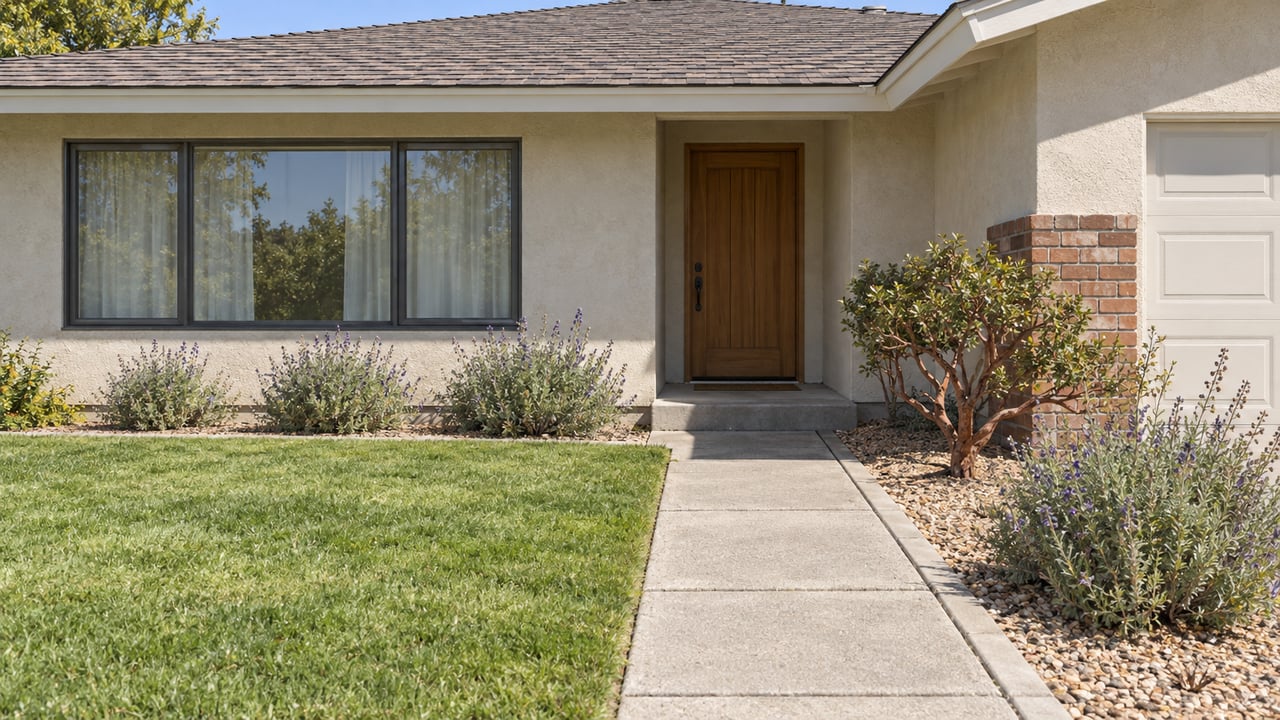
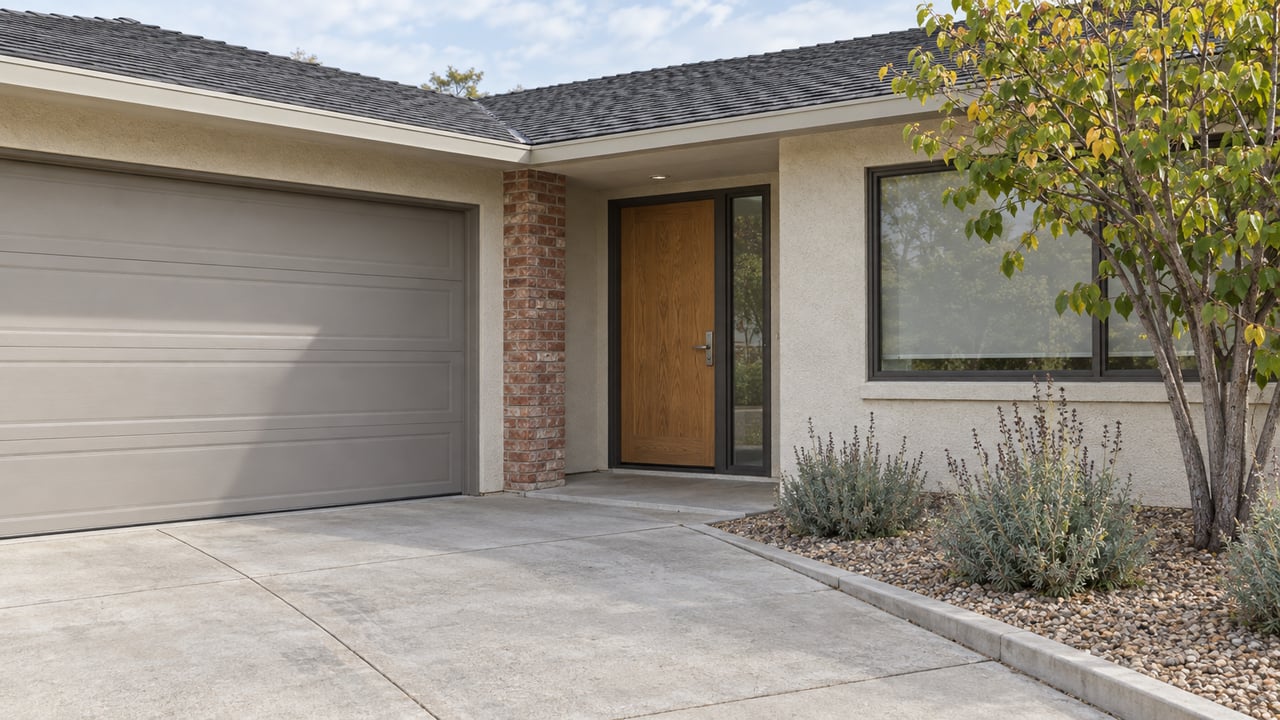
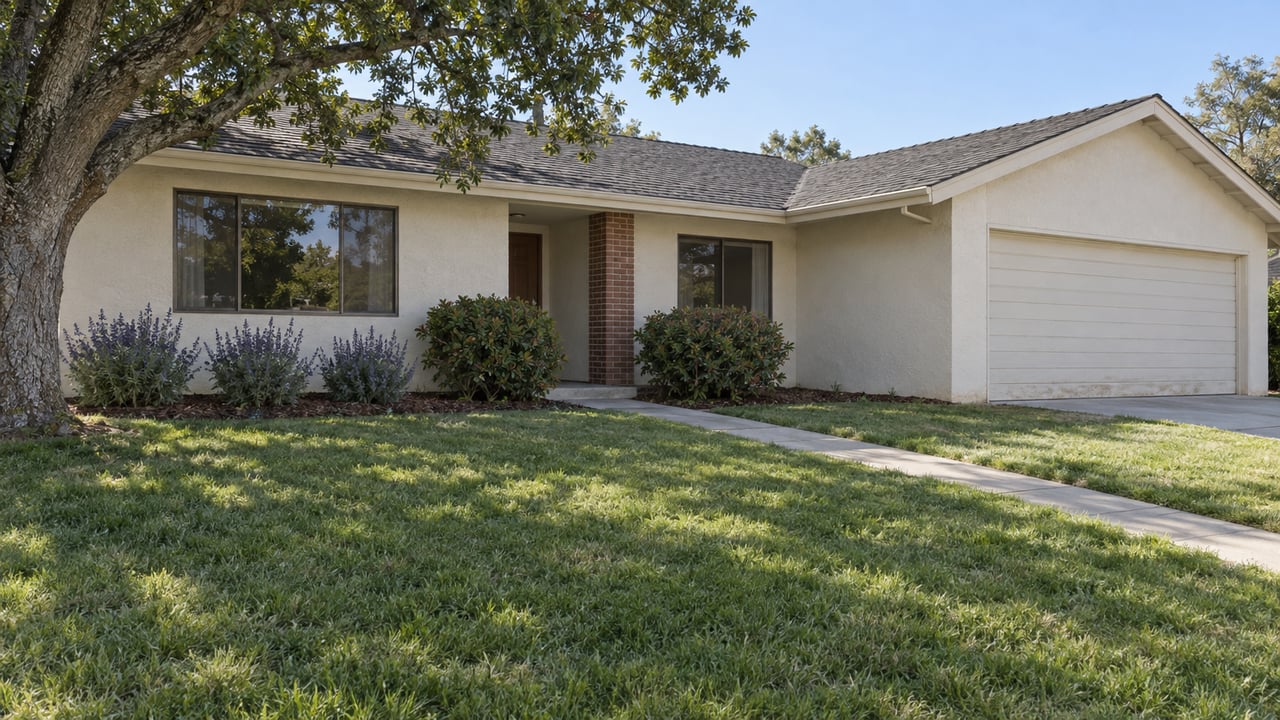
Fremont stretches across several distinct districts, each with its own feel. You will find older single-family neighborhoods, historic main-street charm, and newer townhomes clustered near BART and shopping. The city is steadily adding mixed-use housing and retail around transit, so walkable options near stations are growing over time. For a broad view of neighborhood character, job centers, and development plans, explore the city’s economic development overview on Fremont’s official site.
Neighborhood snapshots
Mission San Jose
Set in the southeast foothills, Mission San Jose feels quiet and established with hillside views, long lots, and nearby trail access. Many buyers value its neighborhood reputation and proximity to open space. Daily life here leans toward peaceful evenings, backyard time, and quick drives to ridge trailheads.
Niles
Niles reads like a small-town main street with antique shops and independent restaurants. You can spend a relaxed weekend exploring local storefronts, a silent-film museum, and seasonal heritage rail rides. Evenings feel low-key, with a nostalgic, artsy vibe.
Irvington and Centerville
These central neighborhoods offer tree-lined streets, easy access to Central Park and Lake Elizabeth, and a friendly weekend rhythm. The Irvington Farmers’ Market runs on Sundays, which makes a simple routine of coffee, produce, and park time. Commutes from here stay flexible with nearby BART and bus connections.
Warm Springs, Bayside, and Ardenwood
This corridor blends R&D parks and newer residential infill with large local employers. If you work in Fremont’s innovation districts, you can shorten your drive and still stay close to shopping and trails. Newer townhome and multifamily options tend to cluster near transit and job centers.
Downtown and City Center
Linked to the Fremont BART Station, City Center is evolving as a compact, walkable area with cafés, dining, and events. If you prefer a transit-first lifestyle, this district gives you the most urban routine in Fremont. It is also where city-led transit-oriented development is actively adding housing and amenities.
Commutes made practical
Fremont gives you a few clear commute paths. Your best option depends on where you work, your tolerance for traffic, and whether you prefer a seat on the train or the flexibility of a car.
BART to Oakland or San Francisco
If you work in Oakland or San Francisco, BART is a predictable choice. The city’s two active stations are Fremont and Warm Springs/South Fremont. For schedules, parking, and station details, start with the Fremont BART Station page. The city and BART are also planning more walkable housing and retail around stations, a trend outlined on BART’s Fremont TOD page.
Dumbarton Express to the Peninsula
Heading to Menlo Park or Palo Alto? The Dumbarton Express offers a weekday bus link across the Dumbarton Bridge that many Peninsula commuters use. Check routes and service details on the Dumbarton Express page.
Driving routes and trade-offs
By car, I-880 runs north–south toward Oakland and San Jose, while I-680 connects inland and northward. SR-84 over the Dumbarton Bridge takes you directly to the Peninsula. Peak-hour traffic can be heavy, so many drivers watch for HOV or express options and plan around rush patterns. For route context, review the I-880 corridor overview.
Two quick commuter personas
- San Francisco commuter: Park at BART, ride into the city, and avoid bridge traffic. You trade a fixed rail schedule for a calmer morning and a reliable arrival time.
- Peninsula commuter: Take the Dumbarton Express on weekdays and read or work en route. You skip bridge driving, then use company shuttles, bikes, or local buses for the last mile.
Parks, trails, and weekend life
Outdoor time is central to Fremont’s routine. You will see morning walkers and strollers around the lake, sunrise hikers on the ridge, and families heading to farms and wetlands on weekends.
Central Park and Lake Elizabeth
Central Park anchors everyday family life with an 80-plus-acre lake, boat docks, and broad walking paths. It is an easy pick for a morning walk, a child’s scooter ride, or a casual picnic. City projects continue to steward water quality and park amenities, which supports steady use year-round. See features and updates on the Central Park page.
Mission Peak and Ohlone Ridge
Mission Peak is Fremont’s signature hike. Expect a steep climb and big South Bay views, especially at sunrise. It can get crowded and seasonal notices may apply, so check the Mission Peak park page for current guidance before you go.
Quarry Lakes
For a flat, lakeside alternative, Quarry Lakes offers walking loops, a swim beach in summer, and fishing. It is a calm spot for families, picnics, and easy afternoon outings. Learn more about facilities and stewardship at the Quarry Lakes page.
Coyote Hills and Don Edwards Refuge
Along the bay edge, Coyote Hills and the Don Edwards San Francisco Bay National Wildlife Refuge protect tidal marshes and bird habitat. Trails here make relaxed evening walks and peaceful sunset rides, with interpretive programs on select days. The shoreline scenery adds a distinct wetlands feel to Fremont life.
Ardenwood Historic Farm
Ardenwood operates as a working historic farm with seasonal events and family programs. You can visit for harvest days, simple train rides, and hands-on activities that engage kids and adults. It is a classic weekend pick when you want something low-key and local.
Errands, dining, and services
Two main hubs shape your routine. For big-box errands, dining variety, and a cinema, Pacific Commons covers a lot of ground. For a growing mix of independent spots and civic events, City Center and Downtown offer a more walkable feel near BART.
Healthcare access is straightforward around City Center, where Washington Hospital and related facilities create a medical cluster that many residents rely on during the week. If your job is in Fremont’s innovation districts, proximity to employers in Warm Springs, Bayside, and Ardenwood can streamline midday schedules and reduce commute time.
For weekly groceries and community time, the Irvington Farmers’ Market runs on Sundays year-round, which pairs nicely with a quick park stop or coffee. Check dates and details on the Irvington Farmers’ Market page.
A week in real life
School-week mornings and BART
You walk the dog around Lake Elizabeth, drop kids at school, then park at BART for a predictable ride into Oakland or San Francisco. After work, you pick up dinner in City Center and head to a low-key evening at home.
Peninsula commute and wetlands sunset
You hop on the Dumbarton Express to Menlo Park, read on the bus, and connect to a campus shuttle. Back in Fremont, you take a relaxed bike ride at the edge of the bay and catch sunset views across the wetlands.
Saturday errands and a ridge hike
You start at the Irvington market for produce, swing by Pacific Commons for errands, then meet friends at Mission Peak for an afternoon hike. Sunday is for a family picnic at Quarry Lakes and a calm reset for the week.
Is Fremont a fit for you?
If you want suburban space with quick access to regional parks, solid transit choices, and major job centers, Fremont is a strong match. You can dial your routine to fit your day, from train-first commutes to lakeside afternoons or ridge hikes.
If you are weighing Fremont against other Bay Area options, you do not have to figure it out alone. For calm, clear guidance on neighborhoods, schools, commutes, and what fits your lifestyle, connect with Michal Amodai. As a relocation-focused, former real estate attorney, she helps you compare trade-offs and move forward with confidence.
FAQs
How do Fremont residents commute to San Francisco?
- Many take BART from the Fremont Station for a predictable ride into the city; drivers use I-880 north. Review details on the Fremont BART Station page.
What is the best transit from Fremont to Palo Alto?
- The Dumbarton Express provides a weekday bus across the Dumbarton Bridge toward Menlo Park and Palo Alto. See routes on the Dumbarton Express page.
Where do families spend weekends in Fremont?
- Central Park and Lake Elizabeth for walks and picnics, Mission Peak for hikes, Quarry Lakes for swimming and fishing, and bay-edge trails for calm sunset strolls.
What shopping hubs anchor daily errands in Fremont?
- Pacific Commons for big-box shopping, dining, and a cinema, plus Downtown/City Center for a growing mix of independent spots and events. Explore Pacific Commons for store listings.
What types of homes are common in Fremont neighborhoods?
- You will find older single-family homes in established districts, historic cottages in Niles, and newer townhomes and multifamily options near BART and major shopping areas. City development plans outline ongoing transit-oriented growth on Fremont’s economic development page.