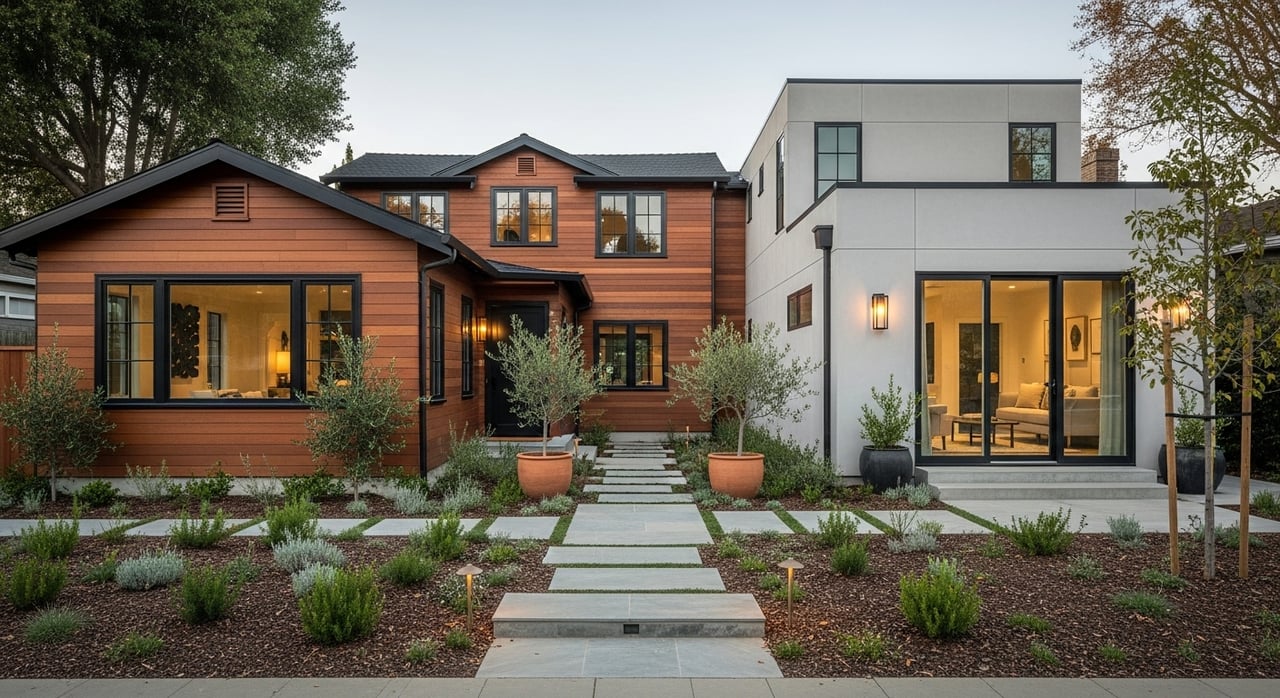
Living in West San Jose can feel pricey. House hacking gives you a smart way to lower your monthly cost while building equity. In simple terms, you buy a home you live in and rent part of it to help pay the mortgage. In West San Jose, that might mean renting bedrooms, adding an ADU, or buying a small multi‑unit and occupying one unit.
In this guide, you will learn practical strategies that work here, how to finance them, what local rules to check, and how to model your numbers. You will also get a step‑by‑step plan to move from idea to action.
What Is House Hacking? — Simple Models
- Rent spare bedrooms. Fast to start, no construction, but you share common spaces.
- Add or convert an ADU/JADU. Create a separate entrance and private living space for long‑term renters. San José offers preapproved plans that can speed permits in some cases.
- Owner‑occupy a duplex/triplex/fourplex. Live in one unit and rent the others; FHA and VA financing can work for 2–4 units if you occupy one unit.
- Live‑in renovate and rent. Improve a home while living there, then rent rooms or an ADU.
Each model varies in cost and complexity. Room rentals need clear house rules and a good lease. ADUs need permits and budget. Small multi‑units require landlord systems and careful tenant screening.
Is House Hacking Right for You?
- Lifestyle fit. Are you OK sharing walls or a yard? Do you want quiet evenings or a lively home? Think about kids, school routines, and privacy.
- Financial fit. What down payment can you bring? How long will you live there? Will you self‑manage tenants or hire help?
- Risk profile. Vacancies and repairs happen. Be ready with savings and a plan. Comfortable screening tenants and handling tough conversations? If not, set aside funds for management.
If you like the idea of lowering your payment, staying flexible, and learning how property income works, house hacking can be a strong path in West San Jose.
West San Jose: Local Considerations for House Hacking
- Neighborhood character. West San Jose spans quiet 1950s ranch streets, townhome clusters, and the Santana Row/Valley Fair corridor. Decide how rental activity fits on your block and with your family’s routine. For a quick orientation on area landmarks, see the West San Jose overview.
- Demand drivers. Proximity to job centers, I‑280/880/17, and retail hubs supports rentability. Many renters want easy commutes and access to shopping and parks.
- Schools. If school boundaries matter, confirm how your owner‑occupied setup affects enrollment. Consider timing moves with school calendars.
- Zoning and permits. Before planning an ADU, check setbacks, parking, and site eligibility with San José’s ADU resources and permit center. Short‑term rentals have specific limits and tax rules; more on that below.
- Rental rules and protections. San José maintains tenant‑protection rules and an Apartment Rent Ordinance (older multifamily buildings may be covered). These affect rent increases and just‑cause procedures.
Financing & Loan Options for House Hackers
- Conventional, FHA, and VA. If you plan to live in the property, lenders offer favorable terms compared with investment loans. FHA allows 3.5% down for qualifying buyers and can be used on 2–4 units if you live in one unit. VA may allow zero down for eligible buyers on 2–4 units with occupancy. Always confirm lender overlays and current underwriting rules.
- Using rental income to qualify. Many lenders count a portion of projected rent from other units to help you qualify. They will ask for a rent schedule from the appraisal, lease drafts, or market rent analysis. Expect reserves and documentation. Underwriting for multi‑unit loans can be more detailed, so work with a loan officer experienced in 2–4 unit underwriting.
- Down‑payment help. State programs like CalHFA offer down‑payment assistance for first‑time buyers, usually for one‑unit owner‑occupied properties. Check whether your target property type is eligible and how an ADU affects program rules.
- Pre‑approval tips. Be upfront that you intend to rent rooms, an ADU, or other units. Ask how much of that rent they can count, what reserves you need, and how closing timelines align with permit plans.
Secondary CTA: If you want a quick read on how much income your target property might support, reach out for a neighborhood‑specific review and comps. Get Your Free Home Valuation at Michal Amodai.
Property Types & Practical Strategies
- Single‑family with rented bedrooms. Best for buyers who want speed and low upfront cost. Tips: lockable bedroom doors, clear quiet hours, separate food storage, and written house rules. Use a room‑rental addendum and follow San José tenant‑protection basics. Check your insurance for landlord or “roomer/boarder” coverage needs.
- ADU conversion or detached ADU. Pros: privacy for both sides, strong long‑term rent potential. Cons: higher upfront cost and a longer timeline. San José and Santa Clara County offer preapproved ADU plans, guidebooks, and an ADU calculator to help with early budgeting.
- Duplex/triplex/fourplex with owner occupancy. Strong cash‑flow potential because you have multiple rent streams. Expect more management tasks and compliance with any rent‑stabilization rules if applicable by age and type of building.
- Condo or townhouse. Some HOAs limit room rentals, ADUs, or short‑term use. Always check CC&Rs and rental caps before making an offer. Even if the city allows a use, the HOA can prohibit it.
- Short‑term vs. long‑term renting. Short‑term rentals (STRs) in San José have specific rules, day caps for unhosted stays, and Transient Occupancy Tax (TOT) obligations. Many sources indicate ADUs are not eligible for STR use; verify with the City before you budget STR income.
Permits, Local Rules & Compliance
- Building permits and inspections. Any garage conversion, ADU, or structural changes need permits and inspections. San José’s ADU pages include checklists, preapproved plans, and process timelines.
- Short‑term rental rules and taxes. If you plan any STR activity, confirm owner‑occupancy requirements, annual caps, and recordkeeping. Be ready to collect and remit TOT, which the City reports as a 10 percent hotel tax on lodging charges in San José.
- Tenant protections and rent stabilization. Review San José’s Tenant Protection Ordinance and Apartment Rent Ordinance. Statewide AB 1482 also limits many rent increases and sets just‑cause rules. These affect turnover planning and projected rent growth.
- Zoning updates and HOAs. San José continues to refine zoning rules, including ADUs and “incidental transient occupancy” provisions. If the property has an HOA, confirm rental allowances in the CC&Rs before you buy.
Modeling Income, Expenses & ROI Start with a simple monthly worksheet:
- Income: expected rent from rooms/ADU/units. Use conservative market comps and add a small vacancy allowance.
- Expenses: mortgage (principal/interest), property taxes, insurance, utilities you cover, HOA dues, maintenance, reserves, and any management fees.
- Break‑even rent: total monthly expenses minus what you will personally cover equals the rent you need from the property.
- Net cash flow: total rent minus total expenses.
Run two scenarios:
- Conservative: 1 to 2 months of vacancy per year and lower rent comps.
- Optimistic: full occupancy with mid‑range rents.
Use Santa Clara County’s ADU calculator for early ADU budgets and rent testing Santa Clara ADU calculator. Update numbers with current local listings before making offers.
Tax, Insurance & Liability Considerations
- Taxes. Rent is taxable income, but you may deduct many expenses, including a share of utilities, maintenance, mortgage interest for the rental portion, and depreciation for the rented area or ADU. Capital gains rules on a primary residence can still apply, but renting part of the home adds complexity.
- Insurance. Standard homeowner policies often exclude landlord or guest‑hosting risks. Ask about landlord or STR endorsements, separate ADU coverage, and higher liability limits.
- Professionals. Speak with a CPA and insurance broker before you list a room or break ground on an ADU.
Local Scenarios & Short Case Sketches
- Scenario A: Rooms near Santana Row. A young professional buys a 3‑bed ranch and rents two bedrooms to fellow tech workers. Result: a lower monthly payment with quick setup. Trade‑offs: shared kitchen, careful screening, clear house rules.
- Scenario B: Backyard ADU in a school‑focused area. A family adds a 1‑bed ADU for long‑term tenants. Result: privacy plus steady income that offsets tuition or daycare. Trade‑offs: 12–18 month project, $150k–$400k+ budget, permits and inspections.
- Scenario C: Owner‑occupied duplex near major employers. A relocating couple uses FHA financing, lives in one unit, and rents the second. Result: strong income support. Trade‑offs: more landlord duties, careful review of tenant protections and any rent‑stabilization rules.
Step‑by‑Step Starter Plan
- Clarify goals. Set your target payment after rent and your 5‑year plan. Write it down.
- Get pre‑approved. Tell your lender you will rent rooms, an ADU, or other units and ask what rent they can count for qualifying. Explore FHA/VA if eligible and confirm reserves.
- Pick target areas. Focus on blocks that fit your life and attract renters. Check zoning, parking, and any HOA rules.
- Model 2–3 options. Compare a room‑rental house, an ADU‑ready lot, and a small multi‑unit. Pull conservative rent comps and price bids for any needed work. Use county ADU tools to estimate costs.
- Prep your landlord toolkit. Draft leases and house rules, set up a maintenance calendar, and shortlist property managers.
- Write strong offers. Use contingencies that give time to verify permits, HOA rules, and rental assumptions. If you want a property‑specific read and valuation, Get Your Free Home Valuation at Michal Amodai.
Risks, Common Pitfalls & Mitigation
- Risks: vacancy, surprise repairs, permit denials, HOA restrictions, tenant disputes.
- Mitigation: cash reserves, written leases and house rules, thorough inspections, verify city rules and HOA limits, and partner with local pros.
Conclusion House hacking can make West San Jose homeownership more affordable and help you build long‑term wealth, if you plan carefully and follow local rules. For a calm, step‑by‑step path tailored to your block, budget, and school needs, connect with a local pro. Get Your Free Home Valuation at Michal Amodai and schedule a neighborhood‑specific strategy call. תודה!
FAQs
Q: How much can I expect to pay for an ADU in West San Jose? A: Bay Area ADU projects often range from about $150k to $400k+ and can take 12–18 months, depending on site work and finishes. Always get site‑specific bids.
Q: Can I use an ADU as a short‑term rental? A: Many local references indicate ADUs are not eligible for STRs in San José. STRs also carry registration and TOT obligations. Confirm current rules with the City before assuming STR income.
Q: Will lenders count rental income to help me qualify? A: Often yes, for rooms, ADUs, or other units, if documented properly. FHA and VA can allow rental income from 2–4 units when you live in one unit. Ask your lender about overlays and required evidence.
Q: What tenant‑protection rules apply in San José? A: The City has just‑cause protections and an Apartment Rent Ordinance covering certain older multifamily buildings. Statewide AB 1482 also caps many rent increases. Review city resources and consult a professional as needed.
Q: Where should I start if I want to add an ADU? A: Begin with San José’s ADU checklists and preapproved plans, then use Santa Clara ADU calculator for costs and rent modeling. Verify setbacks, utilities, and parking early.