Thinking about selling your Los Altos home but unsure if this is the right moment? You’re not alone. Timing your sale can shape your price, your days on market, and your stress level. In this guide, you’ll learn how to read the local market, choose a smart season and week to list, and prepare your property so you attract strong offers with confidence. Let’s dive in.
Why Los Altos timing is different
Los Altos is a high-price, low-inventory market where small shifts in supply and demand matter. Many buyers work in nearby tech hubs, and activity often follows Silicon Valley cycles. Micro-neighborhoods, lot size, and proximity to amenities can create very different price bands within the same city.
Use local data to guide your timing. Review current metrics on the Redfin Los Altos market page and broader trends from Zillow’s Los Altos home values hub. For county-level context and outlooks, check the California Association of Realtors reports.
Market signals that say “go” or “wait”
Seller’s market signals
- Low months of inventory with multiple offers on similar homes.
- High sale-to-list price ratios and shorter days on market.
- Rising accepted-offer counts and steady pricing in your micro-area.
Buyer’s market signals
- Inventory increasing while days on market lengthen.
- Lower sale-to-list ratios and price reductions on nearby comps.
- Fewer pending sales relative to new listings.
Where to check these metrics
- Track inventory, days on market, and sale-to-list ratios on the Redfin Los Altos market dashboard.
- Compare city and county trends with CAR’s market statistics and neighborhood-level comps.
- Review price-per-square-foot trends via Zillow’s Los Altos data.
Seasonality: what usually works
Spring often brings more buyers and faster sales as families aim for summer moves and curb appeal improves. In Los Altos, many sellers target February through May, with the strongest energy often in March and April. Late fall and winter can still work if supply is tight and your home is priced and presented well.
Use the last 2 to 3 years of neighborhood sales to confirm patterns before you list. If recent local data shows strong demand outside spring, you can still do very well.
Interest rates and the tech job market
Higher mortgage rates reduce buying power and can cool bidding, while declining rates can expand the buyer pool. Keep an eye on weekly trends using the Freddie Mac Primary Mortgage Market Survey. In Silicon Valley, employment and equity cycles also influence demand. For context on local employment conditions, follow the California Employment Development Department.
Your life timing matters most
Even in a high-demand city, your personal timeline should lead the decision. Consider:
- Life events, relocation, or estate planning needs.
- Equity position and the cost of carrying the home longer.
- School calendar timing if you want a summer close.
- Your plan for the next home and financing.
If your life says “go,” you can often succeed year-round with the right strategy.
Which month and which day to list
If your goal is maximum exposure, aim for late winter or early spring to capture the largest active buyer pool. Many agents list early in the week to build traffic and schedule showings into the weekend. Watch nearby active listings; if a close comparable just hit the market, adjust your timing by a week to avoid splitting attention.
Prep that pays off in Los Altos
Focus on changes buyers notice first. In this market, quality and presentation drive results.
- Fresh paint, lighting, and flooring touch-ups.
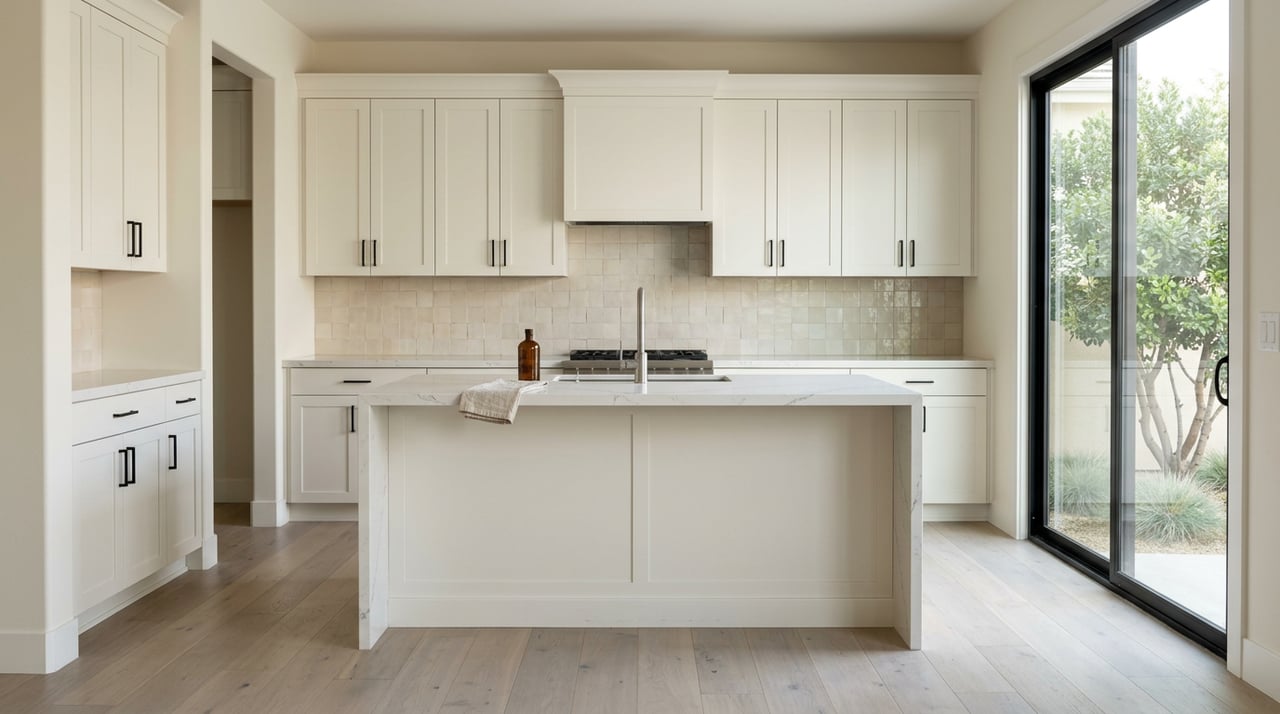
- Kitchen and bath updates with modern finishes.
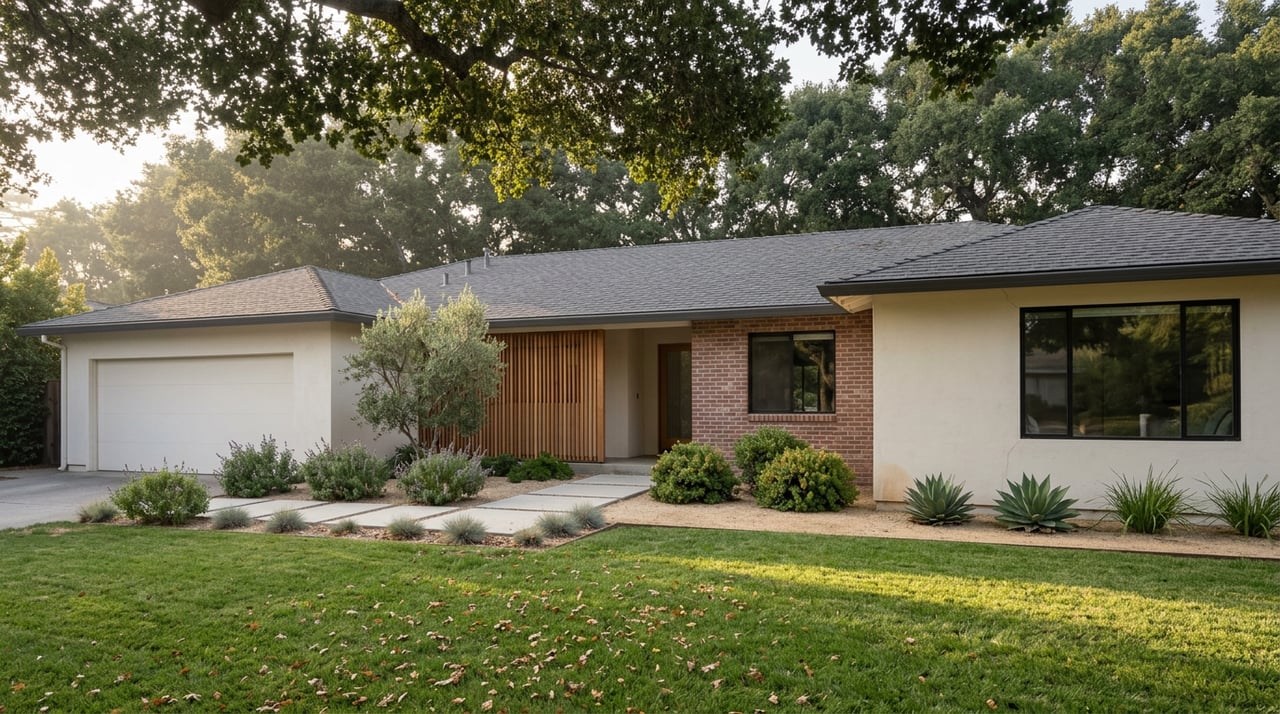
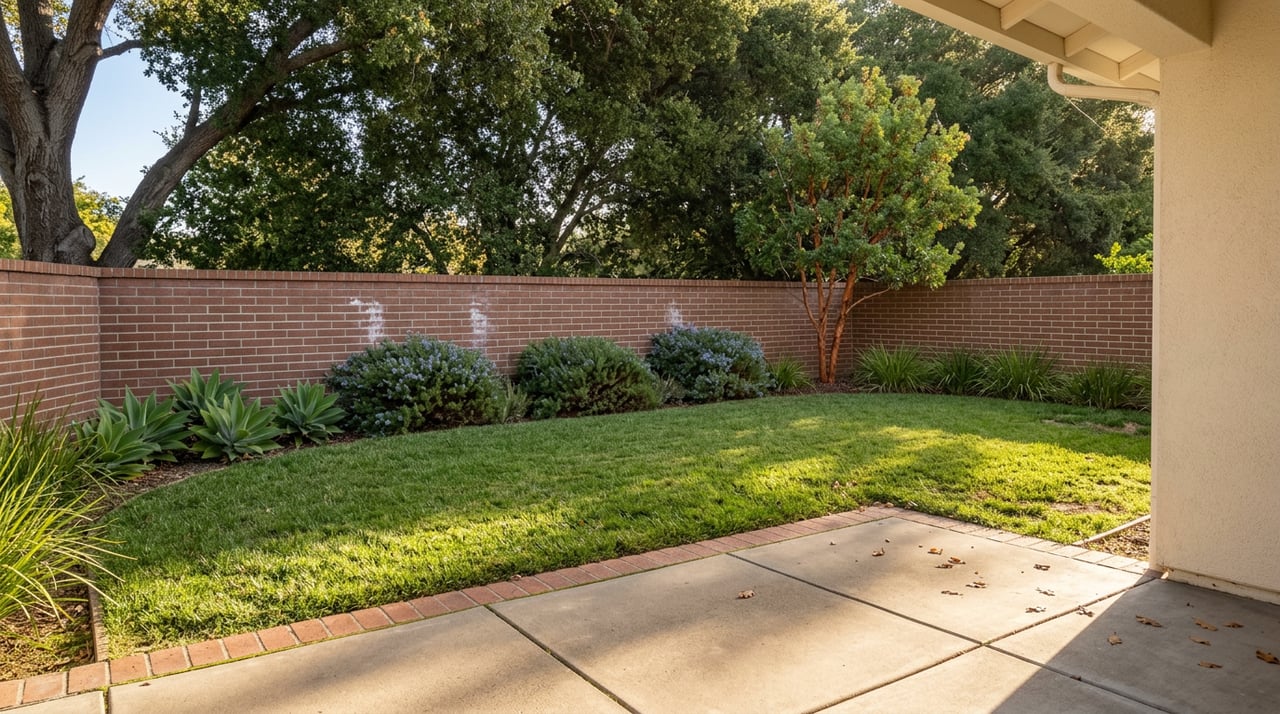
- Landscaping that frames the home and lot well.
- Professional staging and top-tier photography; consider drone for larger parcels.
If renovation timelines are long, price to reflect condition. Well-priced homes can still command strong interest, especially when inventory is tight.
Pricing and competition
Anchor your price to recent closed comps within your micro-neighborhood that match lot size, condition, and layout. Track active competition weekly. A new listing around the corner can change your pricing window for the next 30 to 45 days. If market signals are cooling, consider tighter pricing to move quickly.
Disclosures, permits, and taxes in California
Accurate, complete disclosures help protect your sale and keep buyers confident.
- Transfer Disclosure Statement and Natural Hazard Disclosure are required in California. Learn more via the California Department of Real Estate.
- Lead-based paint disclosure applies to homes built before 1978.
- Smoke and carbon monoxide detector compliance, plus any city requirements, should be satisfied before close.
- Verify permit history and address any open items with the City of Los Altos. Unresolved permits can delay closing or reduce offers.
On taxes, many sellers qualify for the federal primary residence exclusion if they meet ownership and use tests. Review the rules in IRS Topic No. 701, and check how Proposition 13 and Proposition 19 might affect assessed value or transfers with the Santa Clara County Assessor. Consult your tax advisor for specifics.
Buying and selling at the same time
You have three common paths:
- Sell first, then buy. Lower risk of carrying costs, but you may need temporary housing.
- Buy first, then sell. Comfortable move-in timeline, but you carry two homes briefly and need financing lined up.
- Use contingencies. Sometimes workable, but often less competitive locally.
Bridge financing or a short-term rental can help reduce stress. Coordinate your listing, financing, and search timeline early.
A simple decision framework
Use this step-by-step approach to decide when to sell:
- Clarify your life timeline and next-home plan.
- Review local market data for your micro-area using Redfin, Zillow, and CAR.
- Check interest rate trends and local employment context.
- Pick your listing window, ideally late winter or spring unless micro-data suggests otherwise.
- Complete targeted prep, staging, and photography.
- Price to recent, relevant comps and monitor competing actives weekly.
- Choose a list day early in the week to build weekend momentum.
Ready to talk through your timing and next steps? Schedule a quick strategy call with Michal Amodai to review local comps, discuss your timeline, and get a tailored plan.
FAQs
Is spring really the best time to sell in Los Altos?
- Spring often brings more buyers and faster sales, but confirm with 2 to 3 years of local comps because short-term cycles can shift.
How do mortgage rates affect my sale timing?
- Higher rates can reduce buyer affordability and lower offer strength; falling rates may increase demand. Track trends using the Freddie Mac PMMS.
Should I renovate before listing my Los Altos home?
- Targeted cosmetic updates and maintenance fixes usually offer the best ROI; large remodels rarely repay fully unless they add specific high-demand features and finish quickly.
How long will my Los Altos home take to sell?
- Timing depends on price, condition, and competition. In strong periods, well-presented homes can go pending in days; in softer cycles, plan for weeks to months and price accordingly.
What disclosures are required when selling in California?
- TDS, NHD, lead-based paint if applicable, and compliance items such as smoke and CO detectors. See the California Department of Real Estate for guidance.
Will I owe capital gains tax on my home sale?
- Many sellers qualify for the federal exclusion if ownership and use tests are met. Review IRS Topic No. 701 and consult a tax professional.