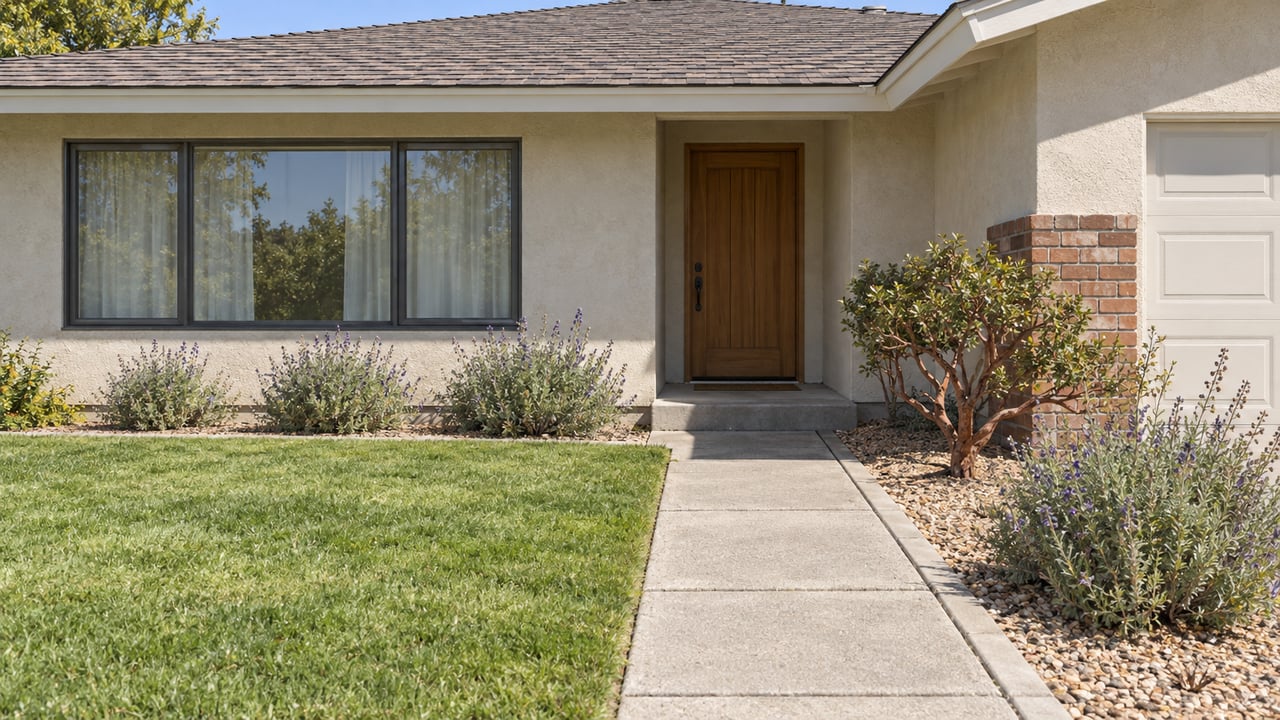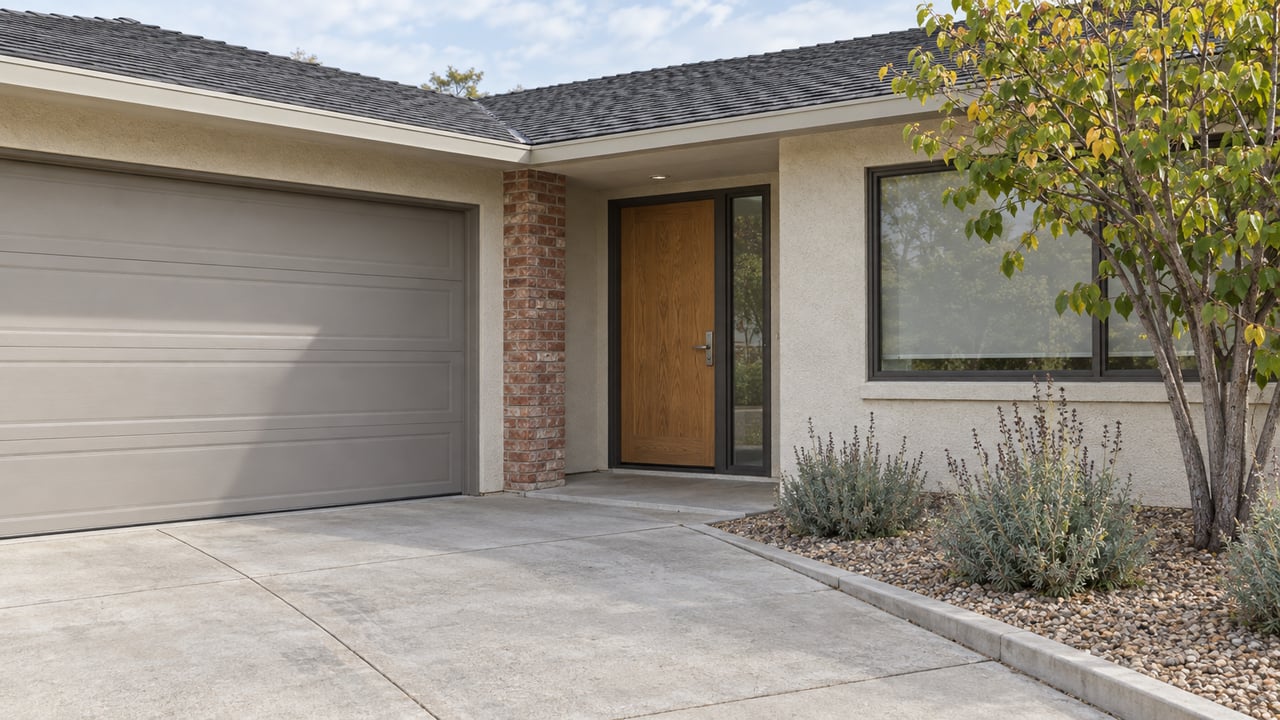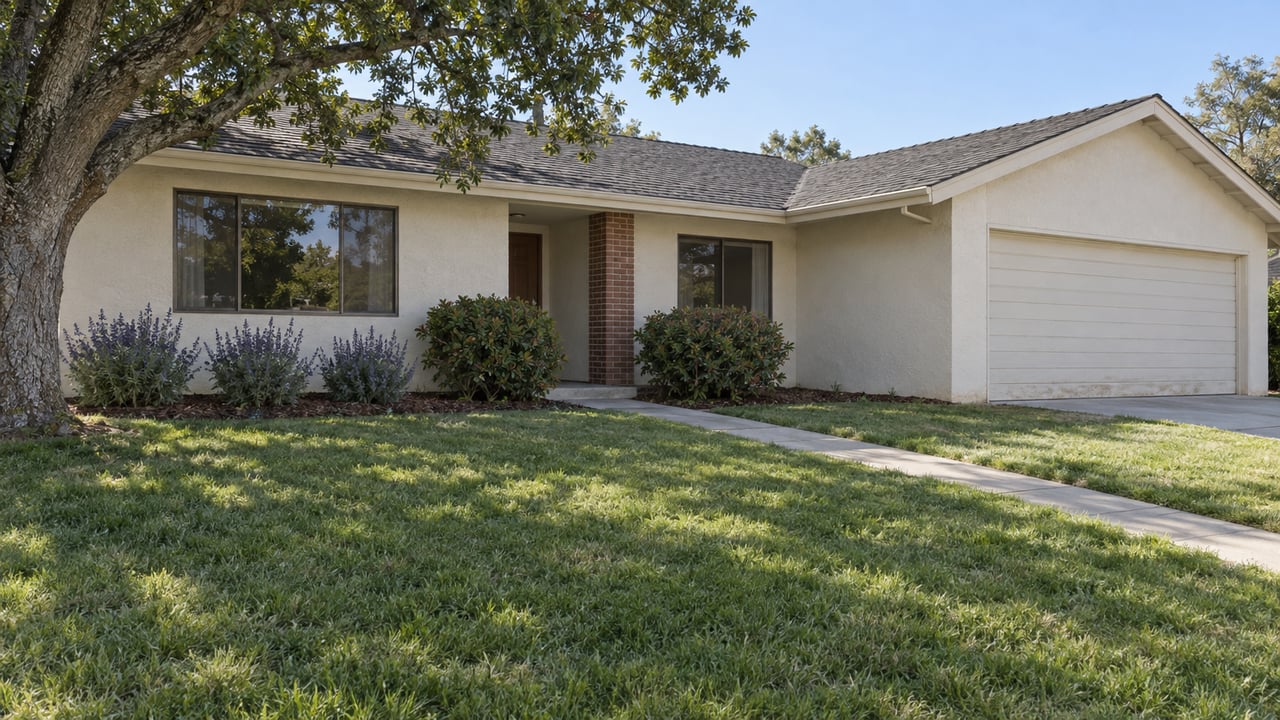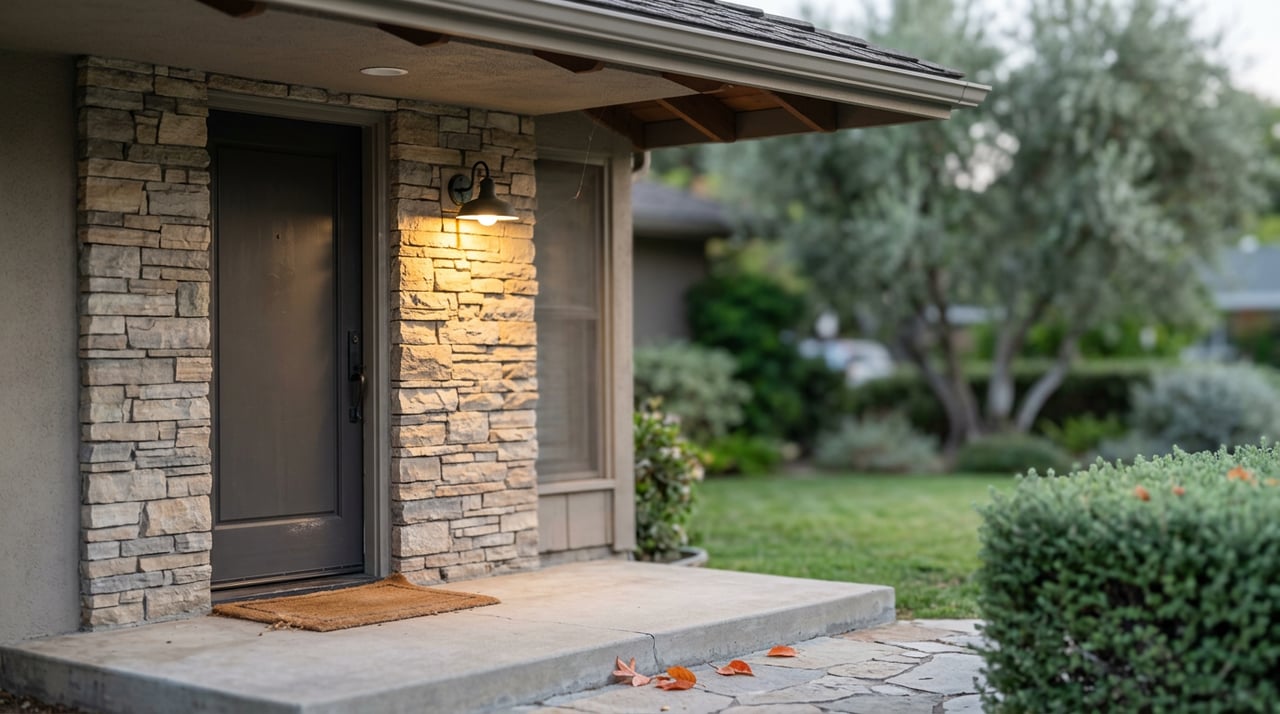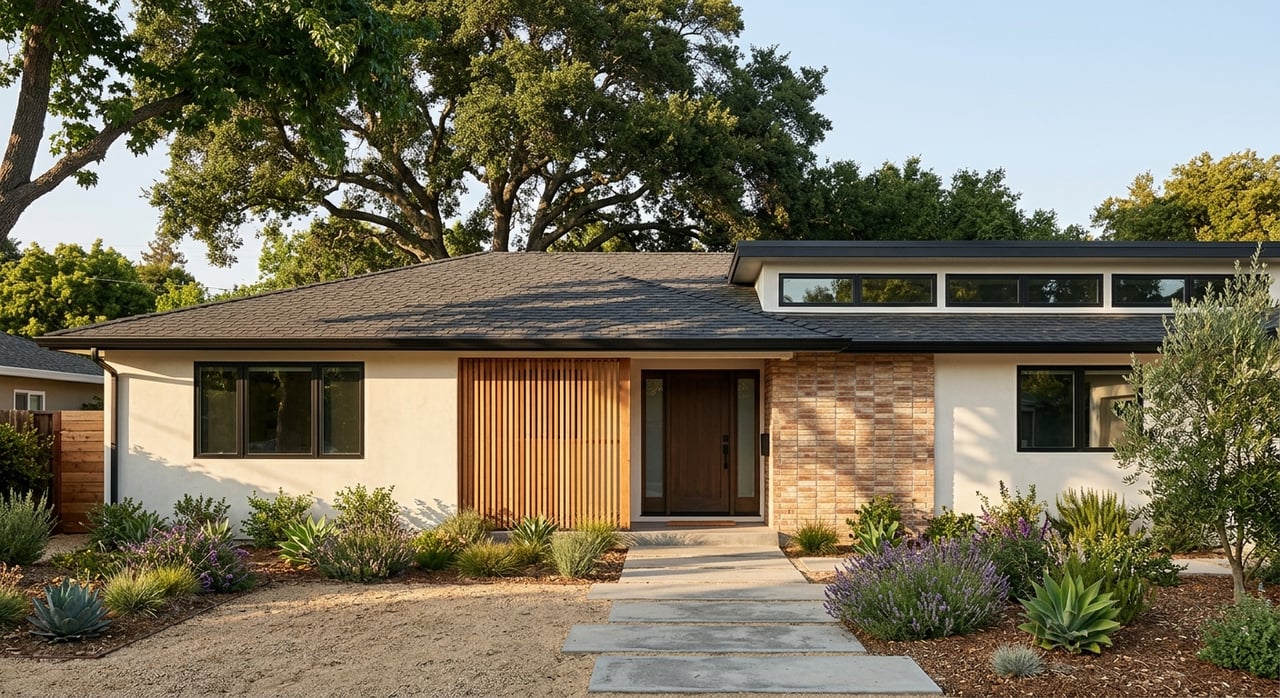
If you start touring homes in Los Altos, you will notice something quickly: many properties share a familiar low, horizontal look, even when the interiors feel very different. That can make it hard to tell whether you are looking at an original ranch, a major remodel, or a newer custom build. If you want to understand what really sets Los Altos home styles apart, this guide will help you compare layout, design, and future flexibility with more confidence. Let’s dive in.
Why Los Altos Homes Look the Way They Do
Los Altos is shaped by a long-established single-family residential pattern. City planning documents describe it as a residential community with limited commercial, park, and public land, and much of its residential acreage falls into single-family medium-lot and large-lot categories.
That history still shows up in the streetscape today. The city’s residential design guidance describes spacious lots, extensive landscaping, large trees, open front yards, and homes with relatively low profiles.
A big reason ranch homes remain so visible is timing. The city says much of Los Altos housing stock was developed in the 1950s, and ranch is the predominant style.
Classic Ranch Homes in Los Altos
What defines a classic ranch
In Los Altos, classic ranch homes are typically low-slung and horizontal in character. The city describes simple rectangular forms, low-pitched roofs, shallow porches, attached garages, and a strong visual relationship to gardens and patios.
These homes became popular with tract builders in the early 1950s. According to the city’s guidelines, they were efficient in both space and materials, and builders often created different models that still shared the same overall ranch character.
Why buyers still like them
For many buyers, the appeal of a ranch home is practical. A single-level layout can feel easy to navigate, the home often has a quieter street presence, and the connection between indoor living areas and outdoor space can feel natural and inviting.
That matters in Los Altos, where lot size and landscaping are often part of the overall experience of the home. A ranch house that opens well to a backyard or patio may live much larger than its square footage suggests.
What to look for when touring
Not every older ranch has aged the same way. When you walk through one, pay attention to:
- How the main living areas connect to the yard
- Whether the layout still feels functional for your daily routine
- How much original character remains on the exterior
- Whether updates feel integrated or patched together
- How the garage, driveway, and front yard affect curb presence
Expanded Ranch Homes and Additions
The most common in-between category
One of the most common home types in Los Altos is the expanded ranch. This is usually an original one-story home that has been enlarged over time with added bedrooms, bigger kitchens, family rooms, or even a full second story.
Because of that, two homes with similar roots can feel completely different today. One may still read as a modest ranch from the street, while another may feel much larger, taller, and more visually complex.
Why some remodels feel more seamless
Los Altos places strong emphasis on how additions relate to the original home and the surrounding lot. The city’s guidelines call attention to setbacks, garage placement, driveway width, landscaping, privacy, and the relationship of outdoor activity areas to neighboring properties.
In well-executed remodels, materials are usually matched or carefully coordinated, facade composition feels balanced, and mature landscaping remains an important part of the property. Those details can make a larger home feel more settled and cohesive.
When an addition changes the feel of the house
The city notes that newer homes are often designed from the inside out. In practice, that can lead to more complex roof forms and less integrated window and door placement, especially when a home has been heavily expanded.
For you as a buyer, that means size alone should not drive the decision. A larger home may offer more space, but the way it handles light, privacy, yard access, and street presence often matters just as much.
New Construction in Los Altos
New does not mean unrestricted
If you are drawn to newer custom homes, it helps to know that Los Altos does not treat new construction as a free-form process. The city says exterior alterations, additions, and new homes in the R1 district are subject to design review, and those guidelines are meant to support new and remodeled homes while preserving neighborhood character.
That review framework shapes what strong new construction tends to look like in Los Altos. The best homes usually pair updated layouts with scale, massing, and street-facing design that feel compatible with the lot and nearby homes.
What buyers should compare closely
A newer home may offer an open floor plan, tailored finishes, and more current systems. At the same time, it should still feel integrated into its setting.
When comparing newer homes, pay close attention to:
- Window placement and privacy
- Roof complexity and overall massing
- Garage visibility from the street
- Tree retention and landscaping
- How the house sits on the lot relative to neighboring homes
These details can affect not just appearance, but also how comfortable and balanced the home feels over time.
ADUs, JADUs, and SB 9 Options
Ways properties may offer more flexibility
Los Altos homeowners may have more than one path to add living space. The city says ADUs and JADUs are independent living units on the same lot, and their approval is ministerial, which means no planning permit or public hearing is required.
The city also says SB 9 can allow two residential units on one lot, and in some cases a lot split, within the R1 district without discretionary review or a public hearing, subject to objective criteria.
Why this matters when buying
If future flexibility matters to you, these pathways are worth understanding before you make an offer. A property that looks straightforward today may have useful long-term potential for additional living space, a separate unit, or a different layout strategy.
At the same time, not every lot or existing house will support every option equally well. The practical fit often depends on site layout, the existing structure, and how the property relates to city standards.
Older Homes and Preservation Rules
Some properties have added constraints
Most older homes are not automatically harder to update, but some properties in Los Altos do fall under preservation rules. The city says it aims to preserve and enhance historic and cultural resources, and exterior alterations or additions to designated historic resources or landmarks are subject to permit requirements.
If you are considering an older ranch or a property with landmark status, renovation options may be narrower than they would be for a typical non-designated home. That is an important detail to confirm early.
How to Choose the Right Home Style
Focus on function, not just labels
In Los Altos, the most useful question is usually not whether a home is ranch, remodeled ranch, or new construction. The better question is how well the house supports your day-to-day life and future plans.
The city’s design guidance repeatedly emphasizes lot integration, privacy, landscaping, and the relationship between the house, garage, driveway, and outdoor activity areas. Those factors often have a bigger impact on livability than style alone.
A practical comparison checklist
As you compare homes, consider these points:
- Circulation: Does the layout feel easy and natural?
- Light: Are the main rooms bright and well placed?
- Yard access: Does indoor-outdoor flow work for your lifestyle?
- Scale: Does the home feel balanced on the lot?
- Privacy: How do windows, patios, and outdoor areas relate to nearby homes?
- Future change: Would the home support your next chapter without major compromise?
For relocating buyers especially, this kind of framework can make Los Altos feel easier to read. Homes may share a familiar exterior language, but the living experience can vary quite a bit from one property to the next.
If you are weighing classic charm against updated space or trying to decide whether a newer build is worth the tradeoff, a careful, property-by-property review matters. That is often where clear guidance makes the biggest difference.
If you want help evaluating Los Altos homes with an eye toward layout, lot fit, and long-term flexibility, connect with Michal Amodai. She brings a calm, detail-oriented approach to buying in the South Bay and Peninsula, especially for relocating clients and families comparing important tradeoffs.
FAQs
What is the most common home style in Los Altos?
- Ranch is the predominant style in Los Altos, and the city says much of the housing stock was developed in the 1950s.
Why do many updated Los Altos homes still look like ranch houses?
- Many homes began as 1950s ranch houses, and later remodels or rebuilds often keep a low, horizontal street-facing profile even when the interior is fully modernized.
What should buyers compare when choosing among Los Altos home styles?
- Focus on circulation, light, yard access, privacy, landscaping, and how the house, garage, driveway, and outdoor areas work together on the lot.
Are additions and new construction reviewed by the City of Los Altos?
- Yes. The city says exterior alterations, additions, and new homes in the R1 district are subject to design review intended to preserve neighborhood character.
Can a Los Altos property include an ADU or JADU?
- Yes. The city says ADUs and JADUs are independent living units on the same lot, and their approval is ministerial, with no planning permit or public hearing required.
Are older Los Altos homes always harder to renovate?
- No. Many older homes can still be remodeled or expanded, but designated historic resources or landmarks may have added permit requirements for exterior changes.