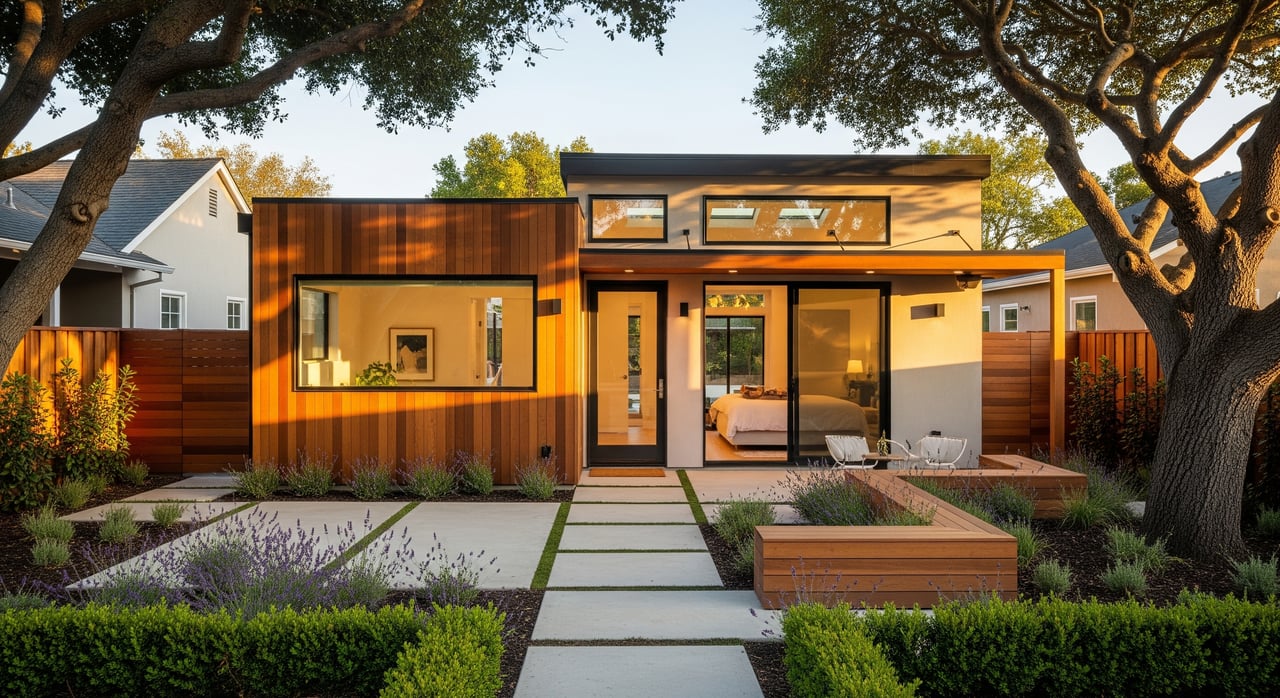
Thinking about building an ADU in Cambrian to create steady rental income? You’re not alone. With strong demand from local professionals and families, a well-planned ADU can add flexibility and cash flow to your property. In this guide, you’ll learn the rules, timelines, costs, rent strategies, and next steps tailored to Cambrian homeowners so you can move forward with confidence. Let’s dive in.
Know the ADU rules in Cambrian
Before you design or price your ADU, confirm which rules apply to your address. Cambrian homes fall under City of San Jose or unincorporated Santa Clara County. Your jurisdiction determines permits, fees, design standards, and inspections.
State law basics
California’s ADU statutes (such as Government Code 65852.2) set statewide minimums that expand where and how you can build. Key points:
- Size: Detached ADUs are commonly allowed up to roughly 1,200 sq ft, and Junior ADUs (JADUs) up to 500 sq ft. Final size depends on local code.
- Parking: Many ADUs do not require extra parking, especially if within one-half mile of transit or if you convert existing space.
- Fees: State law limits some development and utility fees for ADUs under 750 sq ft. Always confirm local implementation.
- Review: Compliant ADUs are reviewed ministerially, which streamlines approvals compared to discretionary reviews.
San Jose vs unincorporated county
- Inside San Jose: Follow the City of San Jose’s ADU standards for setbacks, height, and objective design rules, plus building and fire codes.
- Unincorporated areas: Santa Clara County’s planning department handles zoning checks, permits, and inspections.
- First step: Verify your address and contact the correct planning and building office. Ask about submittal checklists, review timelines, and required inspections.
Utilities, sewer, and HOA rules
- Utilities: Check water, power, and sewer capacity early. Some projects need connection upgrades or lateral work. Fee rules may vary by ADU size.
- HOA/CC&Rs: If your property has covenants, confirm any restrictions with the HOA and city. Some rules predate current state law and may still affect your plan.
Choose the right ADU type
Different ADU formats carry different costs, timelines, and rental appeal. Pick the one that fits your lot, budget, and income goals.
Common formats and trade-offs
- Garage or interior conversion: Typically the most budget-friendly and quickest. May have lower ceilings and less private outdoor space, but solid for long-term tenants.
- Attached ADU (addition): Mid-range cost with more design flexibility and privacy than a conversion.
- Detached ADU (backyard cottage): Highest cost due to a new foundation and full systems, but offers the most privacy and marketability.
- JADU (within the main house): Lower build cost but limited privacy and shared facilities.
Timelines to expect
A realistic window from decision to move-in is several months to a year, depending on scope and site conditions. Typical phases include feasibility, design and permit preparation, city or county review, and construction. Build in extra time for utility work or unforeseen site issues.
Rental strategy: long-term vs short-term
In Cambrian’s residential neighborhoods, long-term rentals usually align best with demand and operations. Short-term rentals can generate higher gross revenue but come with more rules and overhead.
Who rents ADUs in Cambrian
- Professionals working with Silicon Valley employers
- Young families or single professionals who want a residential setting
- Multi-generational households and caregivers
- Local healthcare or education staff
Keep language and screening criteria compliant with fair housing laws. Use consistent, objective standards for all applicants.
Long-term vs short-term fit
- Long-term leases (6–12+ months): Simpler to manage, steadier cash flow, and fewer regulatory layers.
- Short-term rentals: May require local registration and transient occupancy taxes, plus more cleaning, furnishing, and insurance considerations. HOAs may limit or prohibit them.
Setting the rent
Start with comparable listings in 95124 and 95118. Focus on studios and 1-bedroom units or small cottages rather than large apartment buildings. Features that can lift rent include a private entrance, in-unit laundry, a full kitchen, outdoor space, parking, and modern finishes. Budget for vacancy, often 5 to 10 percent, and consider occasional concessions in softer markets.
Run the numbers before you build
A simple model helps you test feasibility and pick the right scope and finish level for your ADU.
One-time development costs
- Design and engineering
- Permits and fees (including potential utility or connection fees)
- Construction and site work
- Landscaping and access upgrades
- Utility connections and meters or submeters
- Contingency (often 10 to 20 percent)
Ongoing operating costs
- Utilities you cover, or costs to set up submetering
- Maintenance and repairs
- Insurance premium increases or landlord policy
- Property taxes (can rise with added assessed value)
- Vacancy allowance and tenant turnover costs
- Optional property management fees
Income and returns
- Gross rent: Estimate from local comps and seasonality.
- Vacancy: Apply a realistic rate to avoid overestimating income.
- Net operating income (NOI): Gross rent minus operating costs.
- Simple cash-on-cost: NOI divided by total project cost.
- Payback period: Total project cost divided by NOI.
Use conservative, baseline, and optimistic scenarios to understand your range of outcomes.
Financing options
Common paths for California homeowners include home equity loans or HELOCs, cash-out refinancing, and construction or renovation loans that convert to permanent financing. Some lenders consider projected ADU income, and underwriting rules vary. Speak with multiple local lenders experienced with ADUs to compare terms and documentation.
Taxes and insurance
Rental income is taxable. Typical deductions may include mortgage interest, property taxes, depreciation, repairs, and operating costs. If you later sell, tax rules around primary residence exclusions and depreciation recapture can apply. For coverage, many homeowners need landlord or umbrella policies in addition to standard homeowners insurance. Ask tenants to carry renters insurance.
Lease and operate compliantly
A clear operating plan protects your time and your investment.
Tenant protections and local rules
State tenant protections may apply differently based on property type and ownership. Single-family homes can be treated differently from multi-unit properties, and local rules evolve. Confirm current requirements before you advertise the unit.
Habitability and safety
As a landlord, you must maintain basic habitability: safe electrical and heating, working plumbing, proper egress, and functioning smoke and carbon monoxide detectors. Keep documents for inspections and repairs so you can respond quickly to any issues.
Utilities and billing
Decide if you will include utilities in rent, set up submeters, or arrange separate meters where available. Clarify responsibilities in the lease so billing stays transparent.
Step-by-step checklist for Cambrian homeowners
- Confirm whether your address is inside San Jose or in unincorporated Santa Clara County.
- Review zoning, lot size, and design standards; request a pre-application call if available.
- Ask utilities about water, power, and sewer capacity and any connection work.
- Review HOA/CC&Rs and consult HOA contacts if needed.
- Choose your ADU type and rental model (long-term or short-term).
- Get two to three bids from licensed contractors with ADU experience.
- Build a provisional budget, including a 10 to 20 percent contingency, and line up financing.
- Research local rents using Cambrian comps and speak with a property manager for estimates.
- Confirm insurance needs and obtain landlord or umbrella quotes.
- Create a simple pro forma with conservative, baseline, and optimistic scenarios.
- Set up your tenant screening and lease documents or hire a manager.
- If considering short-term rentals, verify local rules, required registrations, and taxes.
Common pitfalls to avoid
- Skipping jurisdiction checks and applying to the wrong office
- Underestimating utility or sewer work
- Overestimating achievable rent from apartment comps instead of ADU-like units
- Forgetting a contingency for time and cost overruns
- Ignoring HOA or CC&R restrictions
- Not informing your insurer or securing proper coverage
Ready to move forward?
An ADU can add flexibility, income, and future resale appeal to a Cambrian property, but success starts with a clear plan. If you want help aligning your ADU rental goals with neighborhood and market realities, connect with a trusted local advisor who understands both the legal framework and day-to-day operations. To discuss your property, rent strategy, and timing, reach out to Michal Amodai. Get Your Free Home Valuation and a practical game plan for your next steps.
FAQs
Can I build and rent an ADU on my Cambrian property?
- Generally yes, but your approvals depend on whether you are inside San Jose or in unincorporated Santa Clara County, plus zoning, setbacks, and utility capacity.
What size ADU can I build in Cambrian?
- State law commonly allows detached ADUs up to roughly 1,200 sq ft and JADUs up to 500 sq ft, with final limits set by local code.
How long will permitting and construction take?
- Expect several months for design and permits and several months for construction; total timeline often ranges from a few months to about a year depending on scope.
Is long-term or short-term renting better in Cambrian?
- Long-term leases are typically simpler to manage and align with neighborhood norms; short-term rentals may require registrations, taxes, and higher operating costs.
Do I need separate utility meters for my ADU?
- Not always; you can include utilities in rent, submeter usage, or set up separate meters where allowed by local utilities.
How should I estimate market rent for my ADU?
- Look at comparable studios and 1-bedroom rentals in 95124 and 95118, focus on small homes or cottages, and adjust for features like private entry, laundry, and parking.
Will an ADU increase my property taxes or affect home sale taxes?
- Your assessed value may rise with new construction, and rental income is taxable; consult a CPA for rules on depreciation, exclusions, and potential recapture.